

Wellington Storms Badajoz: Bloody Victory Opens Spain
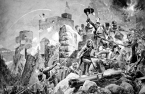
British and Portuguese forces under the Duke of Wellington began the third siege of Badajoz on March 16, 1812, determined to capture the heavily fortified Spanish border city that controlled the southern invasion route into Spain from Portugal. The siege lasted until April 6, and the final storming of the fortress produced some of the most savage fighting and worst discipline of the entire Napoleonic Wars. Badajoz had resisted two previous British siege attempts, in 1811, and its French garrison under General Armand Philippon had used the intervening months to strengthen already formidable defenses. The fortress sat atop high ground, surrounded by thick walls, a deep ditch, and protected by outworks including the fortified lunette of San Roque and the fort of Picurina. The Guadiana River covered the northern approach. Wellington's sappers spent three weeks digging approach trenches and emplacing siege batteries that gradually battered three breaches in the fortress walls. The main assault on the night of April 6 was a bloodbath. Soldiers attempting to storm through the breaches encountered obstacles that the French had constructed in the gaps: sword blades embedded in timber, chained logs designed to roll onto attackers, explosive mines, and concentrated musket and artillery fire. Three separate assaults on the breaches failed with massive casualties before diversionary attacks on the castle and the San Vicente bastion succeeded in gaining footholds inside the walls. Once British troops were inside, the French garrison's defense collapsed relatively quickly. Wellington lost approximately 4,800 men killed and wounded in the final assault alone, nearly a quarter of his attacking force. What followed the capture was among the most shameful episodes in British military history. Wellington's soldiers, many drunk on looted wine, rampaged through Badajoz for three days, murdering Spanish civilians, looting homes, and assaulting women. Wellington was reportedly reduced to tears and needed two days to restore order by erecting a gallows in the main square. The capture of Badajoz opened the road into Spain and made Wellington's eventual march to the Pyrenees possible.
March 16, 1812
214 years ago
Key Figures & Places


What Else Happened on March 16
Nebuchadnezzar didn't destroy Jerusalem the first time — he just walked in and took what he wanted. After a three-month siege in 597 BC, the young King Jehoiach…
Nebuchadnezzar II seized Jerusalem and deposed King Jehoiachin, installing Zedekiah as a puppet ruler to secure Babylonian control over the Levant. This forced …
Caligula ascended to the Roman throne following the death of Tiberius, ending a period of paranoid isolation in the imperial court. His initial popularity quick…
Two Hunnic bodyguards walked right up to the emperor during archery practice and killed him with their swords. Optila and Thraustila weren't acting on orders—th…
He'd been governor for just five years when Meng Zhixiang bet everything on a crown. The military commander watched Later Tang collapse into chaos and saw his o…
The Jews of York knew the royal castle was a trap, but the mob outside was worse. 150 men, women, and children barricaded themselves inside Clifford's Tower on …
Talk to History
Have a conversation with historical figures who witnessed this era. Ask questions, explore perspectives, and bring history to life.