

LBJ Tells Congress We Shall Overcome: The Voting Rights Act Is Coming
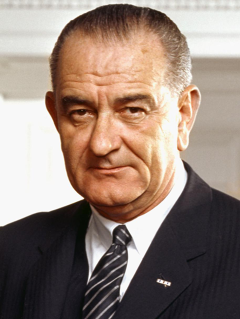
President Lyndon B. Johnson declared "We shall overcome" to a stunned Congress, directly linking the Selma crisis to his demand for federal protection of voting rights. This speech secured the immediate passage of the Voting Rights Act of 1965, which dismantled legal barriers preventing African Americans from exercising their franchise.
March 15, 1965
61 years ago
Key Figures & Places


What Else Happened on March 15
He walked into Rome on foot instead of riding a chariot — and the crowd knew exactly what that meant. Aulus Manlius Vulso's ovation for ending the war with Veii…
en Italia se registra un terremoto (sin más datos).

A group of senators stabbed Julius Caesar to death on the floor of the Roman Senate, driven by fears that his accumulation of dictatorial power threatened the R…

Conspirators cornered Julius Caesar at Pompey's theatre, where a petition for his brother's recall triggered a coordinated stabbing by over sixty senators. The …

He was selling straw sandals when the empire fell apart. Liu Bei's bloodline connected him to the Han emperors, but through a prince from 150 years earlier—dist…
China dividida em Três Reinos: Imperador Sun Hao da Dinastia de Wu Oriental se rende ao Imperador Sima Yan da Dinastia Jin. Sima Yan seria o imperador que reuni…
Talk to History
Have a conversation with historical figures who witnessed this era. Ask questions, explore perspectives, and bring history to life.