

Brazil Recognized: Treaty Ends War for Independence
Portuguese and Brazilian diplomats signed the Treaty of Rio de Janeiro on August 29, 1825, with Portugal formally recognizing Brazilian independence in exchange for two million pounds sterling and the honorary title of Emperor of Brazil for the Portuguese king. The treaty ended a three-year war for independence and established Brazil as the only nation in the Americas to achieve sovereignty as an empire rather than a republic. Brazil's path to independence was unlike any other in Latin America. When Napoleon's forces invaded Portugal in 1807, the entire Portuguese royal court, roughly 15,000 people, sailed to Brazil under British naval escort. King Joao VI ruled the Portuguese Empire from Rio de Janeiro for thirteen years, elevating Brazil from colony to co-equal kingdom. When the Portuguese parliament demanded Joao's return in 1821, he sailed home but left his son Pedro as regent. The parliament then attempted to reduce Brazil back to colonial status, revoking its administrative autonomy and ordering Pedro home as well. Pedro refused. On September 7, 1822, he declared Brazilian independence on the banks of the Ipiranga River near Sao Paulo, reportedly shouting "Independence or death!" He was crowned Emperor Pedro I of Brazil in December. The war that followed was modest by Latin American standards, consisting largely of naval engagements and scattered fighting in the northern provinces where Portuguese garrisons held out. British diplomatic pressure pushed both sides toward negotiation, partly because Britain wanted to protect its enormous commercial interests in Brazilian trade. The treaty's terms reflected British mediation and Portuguese weakness. Brazil paid an indemnity of two million pounds, much of it financed by a British loan that left the new nation heavily indebted to London. Portugal's king retained the empty title of Emperor of Brazil, a face-saving gesture with no practical authority. Britain extracted commercial concessions from both parties. The treaty established the template for Brazil's early foreign relations: formally independent, practically dependent on British capital and trade. Pedro I abdicated in 1831, leaving the throne to his five-year-old son, and Brazil would not become a republic until a military coup in 1889.
August 29, 1825
201 years ago
Key Figures & Places
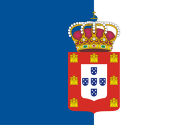
Portuguese
Wikipedia
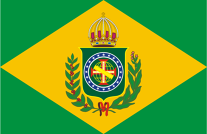
Brazilian
Wikipedia

Treaty of Rio de Janeiro
Wikipedia

Brazilian War of Independence
Wikipedia
King of Portugal
Wikipedia

Kingdom of Portugal
Wikipedia

Empire of Brazil
Wikipedia

List of Portuguese monarchs
Wikipedia

Vasco da Gama
Wikipedia

Kozhikode
Wikipedia

Portugal
Wikipedia

Pound sterling
Wikipedia

Piloto de altura
Wikipedia

Exploración geográfica
Wikipedia

Brazil
Wikipedia

Independence of Brazil
Wikipedia

Convenção de Beberibe
Wikipedia

Província de Pernambuco
Wikipedia
What Else Happened on August 29
Japan minted copper coins for the first time in 708 AD, during the reign of Empress Genmei. The coins were called Wado Kaichin — Wado meaning Japanese copper an…
An Aghlabid army breached the walls of Melite after a grueling siege in 870, compelling the city's surrender and ending centuries of Byzantine governance over M…
Fire consumed the newly inaugurated Mainz Cathedral on the very day of its consecration in 1009. This disaster forced Archbishop Willigis to abandon his origina…
The Battle of Fariskur in 1219 during the Fifth Crusade saw Crusader forces clash with the Ayyubid Sultanate in the Egyptian Delta. The Fifth Crusade's Egyptian…
Pope Urban IV succeeded Alexander IV as the 182nd pope in 1261, launching a papacy that would establish the Feast of Corpus Christi — one of the most important …
The 1315 Battle of Montecatini produced a decisive upset when Pisa's forces under the warlord Uguccione della Faggiuola routed the larger Guelph army of Florenc…
Talk to History
Have a conversation with historical figures who witnessed this era. Ask questions, explore perspectives, and bring history to life.