

FDR's Fireside Chat: Reassuring a Nation in Depression
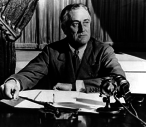
Eight days into his presidency, with the American banking system in freefall, Franklin Roosevelt sat before a microphone in the White House and spoke directly to the American people for the first time. The March 12, 1933 broadcast reached an estimated 60 million listeners, roughly half the country's population, and introduced a new form of political communication that would define Roosevelt's twelve-year presidency. The banking crisis demanded immediate reassurance. Roosevelt had declared a four-day bank holiday on March 6, shutting every bank in the country to stop the panic withdrawals that had already destroyed thousands of institutions. Americans had been stuffing cash into mattresses and coffee cans for months. The question hanging over the reopening was whether depositors would return their money or trigger a second, fatal run. Roosevelt's genius was his tone. He avoided economic jargon and spoke as if explaining the situation to a neighbor across the kitchen table. "I want to talk for a few minutes with the people of the United States about banking," he began, then walked listeners through how banks operated, why sound institutions had been forced to close, and what the government was doing to ensure their safety. He asked Americans to trust the system again: "I can assure you that it is safer to keep your money in a reopened bank than under the mattress." The response was immediate and overwhelming. When banks reopened on March 13, deposits exceeded withdrawals. The bank panic was over. No piece of legislation accomplished what a single radio address achieved in thirty minutes. Roosevelt would deliver 30 fireside chats over the next twelve years, covering everything from the New Deal to D-Day, creating an intimate bond between president and public that no predecessor had attempted. The fireside chat transformed the presidency from a distant institution into a personal relationship with the American people.
March 12, 1933
93 years ago
Key Figures & Places




What Else Happened on March 12
Belisarius held Rome with just 5,000 men against an Ostrogothic army of 150,000. For over a year, Vitiges surrounded the city, cutting aqueducts and starving th…
The French monk elected pope in 1088 couldn't even enter Rome for a year — his rival already occupied the papal throne. Odo of Châtillon, who took the name Urba…
Holy Roman Emperor Friedrich I officially recognized Munich in the Augsburg arbitration, granting the settlement legal standing as a site for trade and tolls. T…
Konrad von Wallenrode assumed leadership of the Teutonic Order, inheriting a state embroiled in constant border skirmishes with the Grand Duchy of Lithuania. Hi…

Several hundred Spanish soldiers and their indigenous allies defeated a Mapuche army vastly outnumbering them at the Battle of Penco on March 12, 1550, securing…
The Spanish commander gave the city one chance to surrender before the siege. Maastricht refused. What followed was four months of hell — Alexander Farnese's 20…
Talk to History
Have a conversation with historical figures who witnessed this era. Ask questions, explore perspectives, and bring history to life.