

Lend-Lease Signed: America Arms the Allies Without Joining the War
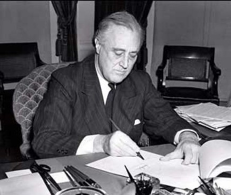
Franklin Roosevelt signed the Lend-Lease Act into law on March 11, 1941, flooding Allied nations with $50 billion in supplies and ending American neutrality. This massive transfer of food, oil, and materiel directly sustained Britain, the Soviet Union, and China against Axis forces while securing U.S. military bases abroad. The program decisively shifted U.S. foreign policy from isolationism to active engagement, ensuring the Allies possessed the material strength needed to win the war.
March 11, 1941
85 years ago
Key Figures & Places
What Else Happened on March 11
The Praetorian Guard didn't just kill the eighteen-year-old emperor—they erased him. After stabbing Elagabalus and his mother Julia Soaemias in a palace latrine…
She'd been ruling for a child emperor — her three-year-old son Michael III — when Theodora risked everything to reverse a policy that had torn the Byzantine Emp…
The Pope refused to create the archbishopric for seven years because he didn't trust King John of Bohemia's loyalty. Charles IV, John's son, had to wait until h…
John Hawkwood’s tactical brilliance dismantled the Veronese army at the Battle of Castagnaro, securing a decisive victory for Padua. By utilizing flooded fields…

English mercenary captain Sir John Hawkwood deployed a feigned retreat to draw Verona's forces into a devastating ambush at Castagnaro, delivering Padua a decis…
Der Rat der Stadt Frankfurt am Main kauft die Bürgerhäuser Haus zum Römer und Haus zum Goldenen Schwan und macht sie zum Rathaus der Stadt.
Talk to History
Have a conversation with historical figures who witnessed this era. Ask questions, explore perspectives, and bring history to life.