

Queen Anne Vetoes a Bill: Last Time a British Monarch Uses Royal Veto
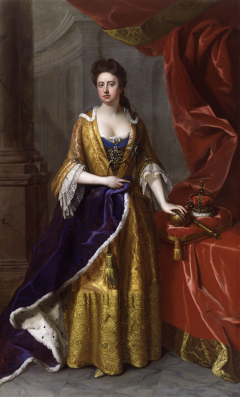
She signed hundreds of bills into law, but Anne couldn't stomach this one. The Scottish Militia Bill would've armed 20,000 Scots just seven years after the Act of Union merged their parliament with England's — and her advisors warned those weapons might turn on London. So on March 11, 1708, Queen Anne simply refused. Royal Assent withheld. The bill died instantly. No British monarch has dared use this veto power since, though technically they still possess it. Three centuries later, every sovereign from George I to Charles III has rubber-stamped whatever Parliament sends their way, even laws they personally despise. Anne's fear of Scottish muskets accidentally became the crown's last real "no."
March 11, 1708
318 years ago
Key Figures & Places



What Else Happened on March 11
The Praetorian Guard didn't just kill the eighteen-year-old emperor—they erased him. After stabbing Elagabalus and his mother Julia Soaemias in a palace latrine…
She'd been ruling for a child emperor — her three-year-old son Michael III — when Theodora risked everything to reverse a policy that had torn the Byzantine Emp…
The Pope refused to create the archbishopric for seven years because he didn't trust King John of Bohemia's loyalty. Charles IV, John's son, had to wait until h…
John Hawkwood’s tactical brilliance dismantled the Veronese army at the Battle of Castagnaro, securing a decisive victory for Padua. By utilizing flooded fields…

English mercenary captain Sir John Hawkwood deployed a feigned retreat to draw Verona's forces into a devastating ambush at Castagnaro, delivering Padua a decis…
Der Rat der Stadt Frankfurt am Main kauft die Bürgerhäuser Haus zum Römer und Haus zum Goldenen Schwan und macht sie zum Rathaus der Stadt.
Talk to History
Have a conversation with historical figures who witnessed this era. Ask questions, explore perspectives, and bring history to life.