Today In History logo TIH
The Nasdaq Composite Index closed at 5,048.62 on March 10, 2000, its all-time hi
Featured Event 2000 Event

March 10

Nasdaq Peaks at 5132: Dot-Com Boom Climax

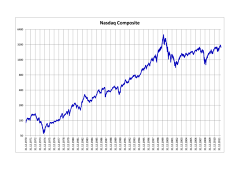
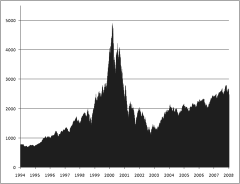
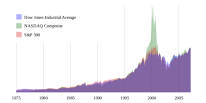
The Nasdaq Composite Index closed at 5,048.62 on March 10, 2000, its all-time high, and began a decline that would erase $5 trillion in market value over the next two and a half years. The dot-com bubble had reached its maximum inflation. Companies with no revenue, no business model, and sometimes no product had been valued at billions of dollars on the theory that the internet would change everything and traditional financial metrics no longer applied. The internet did change everything. The financial metrics still applied. The bubble had been building since the mid-1990s, fueled by the commercialization of the World Wide Web, which Netscape's 1995 IPO had made investable. Venture capital poured into internet startups: online retailers, portal sites, social networks, pet food delivery services, web-based grocery stores, and companies whose business plans amounted to "get users, figure out revenue later." The Nasdaq, heavily weighted toward technology stocks, rose from under 1,000 in 1995 to over 5,000 by March 2000 — a five-fold increase in five years. Individual stories captured the mania. Pets.com, an online pet supply retailer, went public in February 2000, raised $82 million, and folded nine months later. Webvan, an online grocery delivery service, burned through $830 million before shutting down in 2001. TheGlobe.com had the largest first-day IPO gain in history in November 1998, rising 606 percent, and was delisted two years later. The correction began gradually. Several large tech companies reported disappointing earnings in March and April 2000. The Federal Reserve had been raising interest rates since June 1999. A Barron's cover story in March calculated that 51 internet companies would run out of cash within twelve months. Confidence evaporated over weeks rather than days. By October 2002, the Nasdaq had fallen to 1,114 — a decline of 78 percent from its peak. Amazon's stock dropped from $107 to $7. Cisco lost 86 percent of its value. Intel fell 80 percent. Hundreds of companies that had gone public during the bubble simply ceased to exist. The dot-com crash wiped out a generation of retail investors, destroyed the retirement savings of technology workers who had been paid in stock options, and demonstrated that speculative manias follow the same pattern whether the underlying asset is tulip bulbs, railway stocks, or website traffic. The Nasdaq did not return to its March 2000 high until April 2015 — fifteen years later.

March 10, 2000

26 years ago

Key Figures & Places
What Else Happened on March 10

Talk to History

Have a conversation with historical figures who witnessed this era. Ask questions, explore perspectives, and bring history to life.

Start Talking