Tibetan Uprising Erupts in Lhasa: Struggle for Autonomy Intensifies
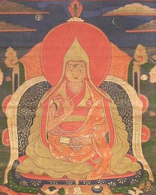
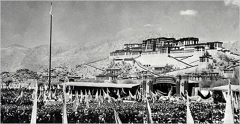
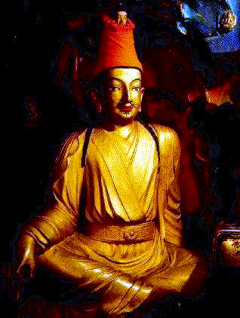
Three hundred thousand Tibetans surrounded the Norbulingka Palace in Lhasa on March 10, 1959, forming a human shield to prevent the Chinese military from abducting the Dalai Lama. Rumors had spread that Chinese authorities planned to lure the 23-year-old spiritual leader to a military camp for a theatrical performance, where he would be detained or killed. The crowd's defiance triggered an armed uprising that the People's Liberation Army crushed within days, killing thousands and forcing the Dalai Lama into an exile that continues to this day. China had maintained effective control over Tibet since 1950, when the PLA invaded and the Tibetan government signed the Seventeen Point Agreement under duress in 1951. The agreement nominally preserved Tibetan autonomy and the Dalai Lama's authority, but Chinese military presence grew steadily throughout the decade. In the eastern Tibetan regions of Kham and Amdo, which had been incorporated into Chinese provinces, forced collectivization and attacks on monasteries had already sparked guerrilla resistance beginning in 1956. The Lhasa uprising began when the Dalai Lama was invited to attend a performance at the PLA headquarters. The invitation specified that he should come without his bodyguard and without informing the public — conditions that Tibetans interpreted as a trap. Word spread through the city, and by the morning of March 10, a massive crowd had assembled around the Norbulingka, refusing to let the Dalai Lama leave. For a week, the city existed in a state of armed tension. Tibetan volunteers set up barricades and distributed weapons. On March 17, two mortar shells landed near the Norbulingka. That night, disguised as a soldier, the Dalai Lama slipped through the crowd and began a harrowing two-week journey on horseback across the Himalayas to India. He crossed the Indian border on March 31 and was granted asylum by Prime Minister Jawaharlal Nehru. The PLA shelled the Norbulingka on March 20, killing hundreds of Tibetans sheltering in the palace grounds. Fighting in Lhasa lasted three days. Chinese official figures listed 87,000 Tibetans killed in the uprising and subsequent military operations; Tibetan exile sources claim significantly higher numbers. March 10 is observed annually by Tibetan exile communities as Tibetan Uprising Day, marking the beginning of a resistance that has continued for over six decades.
March 10, 1959
67 years ago
Key Figures & Places

What Else Happened on March 10
Rome's treasury was empty, its citizens were exhausted, and the First Punic War had dragged on for 23 years when a group of wealthy Romans did something extraor…
Maximian rode into Carthage celebrating victory over the Berbers, but he'd actually spent five years struggling to control tribes who knew every mountain pass a…
Liu Zhiyuan waited just sixteen days after the Khitan invaders abandoned Kaifeng before declaring himself emperor and founding the Later Han dynasty. The former…
Christopher Columbus sailed for Spain, leaving his brother Bartholomew to govern the fledgling settlement of Santo Domingo. This departure solidified the first …
The bishop ran out of wind. Fray Tomás de Berlanga was sailing from Panama to Peru in 1535 when his ship hit the doldrums — dead calm for six days straight. Oce…
The pretender won because his enemy's spiritual leader insisted on joining the battlefield. Abuna Petros II, patriarch of the Ethiopian Orthodox Church, rode al…
Talk to History
Have a conversation with historical figures who witnessed this era. Ask questions, explore perspectives, and bring history to life.