

Cardinal Prevost Elected Pope: Leo XIV Leads Church
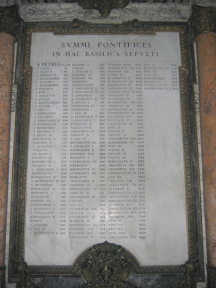
The white smoke rose from the Sistine Chapel chimney on the second ballot, one of the fastest papal elections since Pius XII's one-ballot conclave in 1939. Cardinal Robert Francis Prevost, an Augustinian friar from Chicago who had spent decades serving in Peru, emerged on the loggia of St. Peter's Basilica as the 267th Pope of the Catholic Church, taking the name Leo XIV in honor of Leo XIII's social teaching encyclicals. Prevost's election surprised many Vatican observers. At 69, the American-born cardinal had served as prefect of the Dicastery for Bishops under Pope Francis, giving him extensive knowledge of the global episcopate but a relatively low public profile compared to more prominent papabili. His pastoral experience in Latin America, fluency in Spanish and Italian, and reputation as a bridge-builder between progressive and conservative factions made him a consensus candidate. The conclave followed the death of Pope Francis, whose papacy had reshaped the Church's public posture on poverty, the environment, and pastoral outreach to marginalized communities. Cardinals entered the conclave divided between those who wanted to continue Francis's reforms and those who sought a more doctrinally traditional direction. Prevost, who combined orthodox theology with a commitment to social justice rooted in his years among Peru's poor, threaded that needle. The choice of an American pope was historic. No citizen of the United States had ever led the Catholic Church, and Prevost's election reflected the demographic reality that the Church's most vital growth was occurring in the Americas, Africa, and Asia rather than its traditional European heartland. American Catholics, numbering roughly 70 million, represented the fourth-largest national Catholic population in the world. Leo XIV's early signals indicated continuity with Francis's emphasis on pastoral care and global outreach, combined with his own focus on strengthening the Church's institutional governance. His choice of the name Leo pointed toward the tradition of robust social encyclicals and intellectual engagement with the modern world that defined Leo XIII's papacy at the turn of the twentieth century.
May 8, 2025
1 year ago
Key Figures & Places
2025 papal conclave
Wikipedia

Leo XIV
Wikipedia
266th
Wikipedia
Catholic Church
Wikipedia

2025 conclave
Wikipedia

List of popes
Wikipedia

Catholic Church
Wikipedia

Reccared I
Wikipedia

Third Council of Toledo
Wikipedia

Visigoths
Wikipedia

Honorius
Wikipedia

Edict
Wikipedia

Province of Viterbo
Wikipedia

Campania
Wikipedia

Picenum
Wikipedia

Samnium
Wikipedia

Apulia
Wikipedia
Lucania
Wikipedia

Calabria
Wikipedia
Arianism
Wikipedia

Hispania
Wikipedia

Septimania
Wikipedia

Arrio
Wikipedia
Goths
Wikipedia

Suebi
Wikipedia

Rome
Wikipedia

Península itálica
Wikipedia

Emperor
Wikipedia

Impuesto
Wikipedia

Provincia
Wikipedia
Tuscia
Wikipedia

Basilicata
Wikipedia

Catholicisme
Wikipedia

Reino visigodo
Wikipedia

Spain
Wikipedia

Manfredonia
Wikipedia

Foggia
Wikipedia

Italy
Wikipedia

Michael (archangel)
Wikipedia
190
Wikipedia
Bishop
Wikipedia

Taranto
Wikipedia

Pope Francis
Wikipedia
Pope
Wikipedia

Conclave
Wikipedia

Pope Clement XI
Wikipedia

Cardinal secrétaire d'État
Wikipedia

Fabrizio Paolucci
Wikipedia

Charles VI, Holy Roman Emperor
Wikipedia

Pope Innocent XIII
Wikipedia
Semana pró-amnistia de maio de 1977
Wikipedia

Ngo Dinh Diem
Wikipedia
Buddhism
Wikipedia

Vesak
Wikipedia

Buddhist crisis
Wikipedia
What Else Happened on May 8
The Zhi family thought they'd won when they flooded Jinyang's walls—until the Zhao and Wei families switched sides mid-siege and turned those same waters agains…
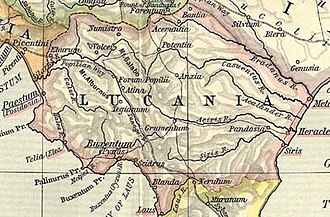
The emperor who famously cared more about his chickens than his empire signed tax relief for seven Italian provinces in 413—after the Visigoths had already burn…
The bishops who walked into Toledo that May carried weapons under their robes. Visigothic Arianism had ruled Spain for two centuries—father and son weren't the …
King Reccared I convened the Third Council of Toledo to formally renounce his Arian faith in favor of Nicene Christianity. This conversion unified the Visigothi…
King Edward III and King John II halted the Hundred Years' War by signing the Treaty of Brétigny, granting England sovereignty over vast swathes of southwestern…
She asked for death and got sixteen visions instead. Julian of Norwich, thirty years old and desperately ill in May 1373, received last rites from her priest. T…
Talk to History
Have a conversation with historical figures who witnessed this era. Ask questions, explore perspectives, and bring history to life.