

Afonso Mendes Arrives: Catholic Mission to Ethiopia
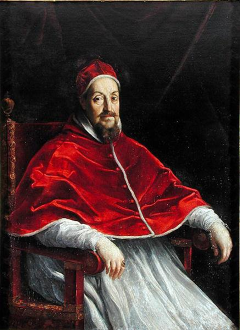
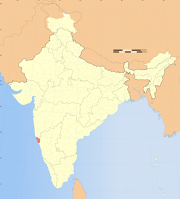
A Portuguese Jesuit with a papal title and imperial ambitions stepped ashore at the Red Sea port of Beilul in May 1625, carrying instructions from Rome to bring the Ethiopian Orthodox Church under Catholic authority. Afonso Mendes, appointed Latin Patriarch of Ethiopia by Pope Gregory XV, arrived from Goa to take charge of a Jesuit mission that had been working to convert the Ethiopian court for decades. The Jesuits had gained a foothold in Ethiopia through Pedro Paez, a remarkably gifted Spanish priest who won the confidence of Emperor Susenyos and persuaded him to adopt Catholicism in 1622. Paez died that same year, and Rome sent Mendes to formalize the conversion. Where Paez had been diplomatic and willing to accommodate Ethiopian traditions, Mendes was rigid. He insisted on rebaptism, reordination of Ethiopian clergy, and the replacement of ancient Ge'ez liturgical practices with Roman rites. Mendes reached the imperial court in 1626 and immediately began enforcing Roman Catholic doctrine with Susenyos's backing. He prohibited the observance of the Sabbath on Saturday, demanded circumcision be abandoned, and ordered churches rebuilt to face west rather than east. These changes struck at the core of Ethiopian religious identity, which blended Judaic and Christian traditions stretching back to the fourth century. The backlash was violent and sustained. Revolts erupted across the Ethiopian highlands, and thousands died in religious civil wars between 1628 and 1632. Susenyos's own son and heir, Fasilides, sided with the Orthodox establishment. When the death toll became unbearable, Susenyos restored the Orthodox faith and abdicated in 1632. Fasilides expelled the Jesuits from Ethiopia in 1633 and closed the country to European missionaries for over a century. Mendes fled to India, where he died in 1659. The episode left Ethiopia deeply suspicious of Western religious and political influence, a wariness that shaped the kingdom's foreign relations for generations.
May 2, 1625
401 years ago
Key Figures & Places



What Else Happened on May 2
King Richard I granted Portsmouth its first Royal Charter, transforming a modest settlement into a strategic naval hub. By establishing the town as a protected …
Prince Llywelyn the Great executed the powerful Marcher lord William de Braose by hanging at Aber after discovering him in his wife’s bedchamber. This brutal ac…
Otto the Merry secured the Duchy of Carinthia, expanding the Habsburg reach deep into the Eastern Alps. By consolidating these territories, he transformed his f…
The charges were written before the interrogations began. Anne Boleyn's arrest on May 2nd, 1536, came with accusations so perfectly coordinated—five men, four d…
Knox stepped off the ship at Leith harbor with a death sentence already on his head—French authorities had burned him in effigy two years earlier. He was fifty-…
The getaway boat almost sank twice crossing Loch Leven. Mary Stuart's teenage admirer Willie Douglas had stolen the castle keys during dinner, locking every gat…
Talk to History
Have a conversation with historical figures who witnessed this era. Ask questions, explore perspectives, and bring history to life.