

Battle of Xuan Loc: South Vietnam's Last Stand
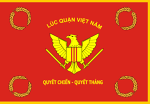
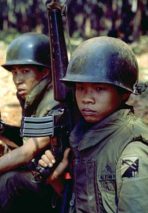
South Vietnamese forces abandoned Xuan Loc after twelve days of fierce resistance, surrendering the last defensive position between the North Vietnamese army and Saigon. The fall removed any remaining doubt that the capital would be overrun within days, triggering a frantic evacuation of American personnel and Vietnamese allies.
April 19, 1975
51 years ago
Key Figures & Places




What Else Happened on April 19
A slave named Milichus didn't just overhear a whisper; he heard his master Piso plotting to kill Nero himself. The freedman raced through Rome's dark streets, r…
Belisarius didn't just lose; he lost his cavalry to a Persian arrow that shattered his shield and forced a chaotic retreat across the Euphrates. Thousands of me…
Danish raiders bludgeoned the Archbishop of Canterbury, Ælfheah, to death after he refused to authorize a massive ransom payment from his impoverished people. H…
en Córdoba, Califato de Córdoba, tropas bereberes bajo el mando de Sulaiman al-Mustain entran en la ciudad y la saquean durante varios días.
Papst Innozenz III. beruft ein Konzil ein. Es findet als Viertes Laterankonzil im November 1215 statt.
Three days of fire and blood in April 1506 turned Lisbon's streets red. Angry mobs dragged the "New Christians" from their homes, burning them alive at the Ross…
Talk to History
Have a conversation with historical figures who witnessed this era. Ask questions, explore perspectives, and bring history to life.