

Queen Anne Takes the Throne: England, Scotland, and Ireland Get a New Ruler
Anne Stuart seized the crown of England, Scotland, and Ireland upon her sister's death, immediately plunging the realm into a decade-long war against France that reshaped European power dynamics. Her aggressive foreign policy forced Britain to commit vast resources abroad, setting the stage for the global conflicts that would define the next century.
March 8, 1702
324 years ago
Key Figures & Places
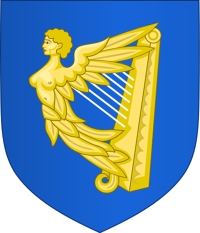
Kingdom of Ireland
Wikipedia
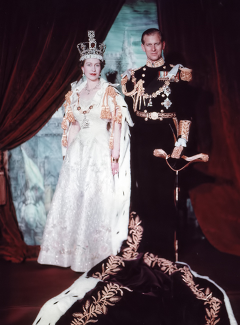
Queen regnant
Wikipedia
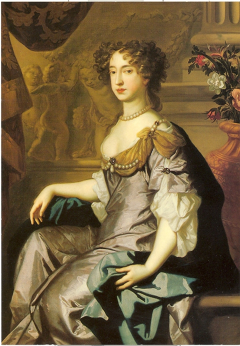
Mary II of England
Wikipedia
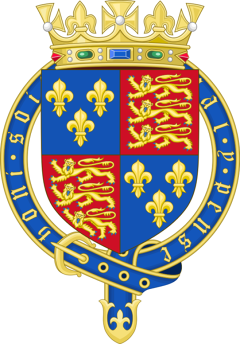
Kingdom of England
Wikipedia
Anne of Great Britain
Wikipedia

Kingdom of Scotland
Wikipedia
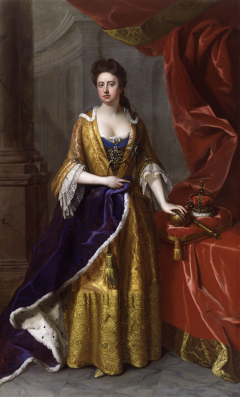
Anne Stuart
Wikipedia

Queen Anne
Wikipedia
Mary II
Wikipedia

Queen regnant
Wikipedia

England
Wikipedia

Scotland
Wikipedia

Ireland
Wikipedia

Anne, Queen of Great Britain
Wikipedia

Mary II
Wikipedia

Rainha
Wikipedia

England
Wikipedia
Scotland
Wikipedia

Monarchy of Ireland
Wikipedia

North America
Wikipedia
What Else Happened on March 8
Ferdowsi finished his monumental epic, the Shāhnāmeh, after thirty years of meticulous labor. By recording the myths and history of ancient Persia in pure Persi…
élection de l'antipape Grégoire VIII.
His mother ruled for seventeen years while nobles tried to replace her with every available man — her husband, her ex-husband, even her teenage son. But Urraca …
Da der Sohn des verstorbenen Kaisers Heinrich VI., Friedrich II., zu diesem Zeitpunkt erst drei Jahre alt ist, wird sein Onkel Philipp von Schwaben von der stau…
They entered through the latrine chute. That's how Philip II's soldiers finally breached Richard the Lionheart's supposedly impregnable fortress after six month…
The butchers and bakers won. On the frozen fields of Hausbergen, Strasbourg's shopkeepers and guild members—armed with pikes they'd forged themselves—faced down…
Talk to History
Have a conversation with historical figures who witnessed this era. Ask questions, explore perspectives, and bring history to life.