Tsaritsyn Becomes Stalingrad: A Symbol of Rising Soviet Power
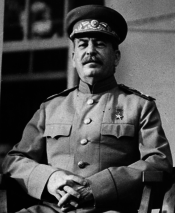
Soviet authorities renamed the city of Tsaritsyn to Stalingrad on April 10, 1925, honoring Joseph Stalin's role in defending the city against White forces during the Russian Civil War in 1918-1920. The name change was part of a broader pattern of geographic rebranding that the Soviet regime used to inscribe its ideology onto the physical landscape: St. Petersburg had become Petrograd and then Leningrad, and dozens of other cities, streets, and institutions were renamed after revolutionary heroes. Nobody in 1925 could have anticipated that the name Stalingrad would become synonymous with the most consequential battle of the twentieth century. Tsaritsyn's importance during the Civil War was strategic rather than dramatic. The city sat at a critical point on the Volga River, controlling north-south transportation and supply routes. Stalin served as political commissar during the defense, clashing repeatedly with military commander Kliment Voroshilov and reporting directly to Lenin. His role was primarily administrative and political, ensuring loyalty among the troops and executing suspected counter-revolutionaries. Post-war Soviet propaganda inflated his contribution enormously, and the renaming was part of Stalin's methodical construction of a personal cult while Lenin was still alive. The name acquired its legendary status between August 1942 and February 1943, when the Battle of Stalingrad became the turning point of World War II's Eastern Front. Hitler's decision to capture the city was driven partly by strategy, Stalingrad controlled Volga River traffic and access to Caucasian oil, and partly by the symbolic value of conquering a city bearing his rival's name. Stalin, for identical symbolic reasons, refused to abandon it. The result was a siege of mutual obstinance that consumed over two million soldiers from both sides and killed an estimated 1.8 to 2 million people, making it the bloodiest battle in human history. The German Sixth Army, commanded by Field Marshal Friedrich Paulus, was encircled by Soviet forces in November 1942 and surrendered on February 2, 1943. Of the 91,000 German soldiers who entered captivity, only approximately 6,000 survived to return home. The defeat shattered the myth of Wehrmacht invincibility and shifted the war's momentum permanently eastward. The city was renamed Volgograd in 1961 as part of Nikita Khrushchev's de-Stalinization campaign, though periodic proposals to restore the name Stalingrad continue to surface.
April 10, 1925
101 years ago
Key Figures & Places
What Else Happened on April 10
He arrived in Constantinople with a head full of Greek philosophy and zero patience for compromise. Within months, he was preaching that Mary was merely the mot…
Halley's Comet passed within 5.1 million kilometers of Earth on April 10, 837 AD, its closest recorded approach in over two thousand years of observation. The c…
Louis III and Carloman II ascended the throne as joint kings of the Western Franks, inheriting a fractured realm following the death of their father, Louis the …
J. Sterling Morton convinced his fellow Nebraskans to plant over a million trees on this day, transforming the state’s treeless, wind-swept plains. This grassro…
He arrived with twelve thousand disciples, marching through Nanjing's dust to meet an emperor who wanted peace more than war. Deshin Shekpa didn't just preach; …
Swiss mercenaries didn't just take his sword; they took the man himself for forty thousand ducats, dumping him right into French hands at Novara. Ludovico Sforz…
Talk to History
Have a conversation with historical figures who witnessed this era. Ask questions, explore perspectives, and bring history to life.