

Napoleon Takes Jaffa: His Troops Massacre 2,000 Prisoners
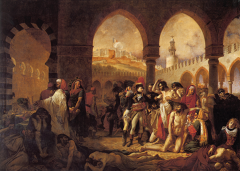
Napoleon's doctors begged him not to do it. After capturing Jaffa on March 7, 1799, Bonaparte faced 2,000 Albanian prisoners—too many to guard, too dangerous to release, too expensive to feed during his Egyptian campaign. His chief of staff Alexandre Berthier protested that executing surrendered soldiers violated military honor. Napoleon ordered the massacre anyway, marching the captives to the beach where French troops bayonetted them over three days to save ammunition. The atrocity haunted his reputation for decades, but here's what's rarely mentioned: a plague outbreak hit his army just days later, killing more French soldiers than the entire Jaffa siege. Some saw divine retribution in the timing.
March 7, 1799
227 years ago
Key Figures & Places
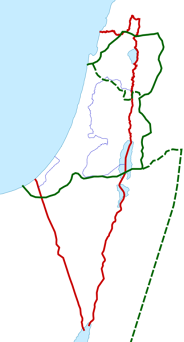
Palestine
Wikipedia
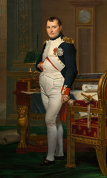
Napoleon I of France
Wikipedia
Albania
Wikipedia
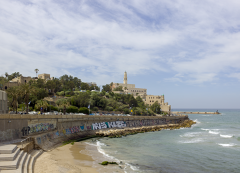
Jaffa, Israel
Wikipedia
captures
Wikipedia

Napoleon
Wikipedia

Siege of Jaffa
Wikipedia

Jaffa
Wikipedia

Palestine (region)
Wikipedia

Albania
Wikipedia

List of Teachers' Days
Wikipedia

Idioma albanés
Wikipedia

Korçë
Wikipedia
1867
Wikipedia
Wikipedia:Citation needed
Wikipedia

French invasion of Egypt and Syria
Wikipedia

War of the Second Coalition
Wikipedia

Tel Aviv
Wikipedia

Acre, Israel
Wikipedia

Louis XVIII
Wikipedia

Grenoble
Wikipedia

Paris
Wikipedia

Síria otomana
Wikipedia
رجا سمرين
Wikipedia

Jordan
Wikipedia
What Else Happened on March 7
Antoninus Pius died after a peaceful twenty-three-year reign, leaving the Roman Empire to his adoptive sons, Marcus Aurelius and Lucius Verus. This transition e…
Rome got two emperors for the price of one when Marcus Aurelius refused to rule alone. His adoptive father Antoninus Pius had just died, and Marcus immediately …
Súditos romanos da África Proconsular se revoltam contra Maximino Trácio e elegem Gordiano I como imperador.
The 80-year-old governor was reading poetry when the mob arrived demanding he become emperor. Gordian I hadn't sought power—African landowners rebelled against …

Emperor Constantine I officially designated the dies Solis Invicti as the empire's day of rest, embedding a pagan festival into Roman law. This decree establish…
el emperador romano Constantino declara el domingo («venerable día del Sol») como séptimo día de la semana, en lugar del sábado judío.
Talk to History
Have a conversation with historical figures who witnessed this era. Ask questions, explore perspectives, and bring history to life.