

Constantine Decrees Sunday as Day of Rest: The Weekend Is Born
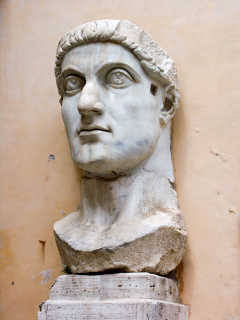
Emperor Constantine I officially designated the dies Solis Invicti as the empire's day of rest, embedding a pagan festival into Roman law. This decree established Sunday as the standard weekly holiday across the Christianized West, shaping the rhythm of work and worship for centuries to come.
March 7, 321
1705 years ago
Key Figures & Places
What Else Happened on March 7
Antoninus Pius died after a peaceful twenty-three-year reign, leaving the Roman Empire to his adoptive sons, Marcus Aurelius and Lucius Verus. This transition e…
Rome got two emperors for the price of one when Marcus Aurelius refused to rule alone. His adoptive father Antoninus Pius had just died, and Marcus immediately …
Súditos romanos da África Proconsular se revoltam contra Maximino Trácio e elegem Gordiano I como imperador.
The 80-year-old governor was reading poetry when the mob arrived demanding he become emperor. Gordian I hadn't sought power—African landowners rebelled against …
el emperador romano Constantino declara el domingo («venerable día del Sol») como séptimo día de la semana, en lugar del sábado judío.
Macarius I refused to recant even as the emperor's guards dragged him from the council chamber. The Third Council of Constantinople had spent months debating wh…
Talk to History
Have a conversation with historical figures who witnessed this era. Ask questions, explore perspectives, and bring history to life.