

Linköping Bloodbath: Five Swedish Nobles Beheaded on Maundy Thursday
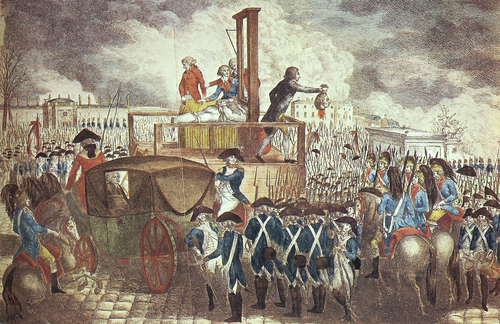
Five Swedish noblemen were publicly beheaded in Linkoping on Maundy Thursday, executed by Duke Charles for supporting King Sigismund during the civil war over Sweden's throne and religious direction. The mass execution crushed Catholic opposition and consolidated Protestant rule, clearing the path for Charles to eventually claim the crown as Charles IX.
March 20, 1600
426 years ago
Key Figures & Places



What Else Happened on March 20
lecture publique du testament de Jules César faisant d'Octave son héritier à Rome.Buste de Maximin le Thrace
A Thracian shepherd who couldn't speak proper Latin became master of Rome. Maximinus Thrax never set foot in the Senate, never visited the capital during his en…
Maximino el Tracio es proclamado emperador romano.
Emperor Tenmu ascended the throne at the Palace of Kiyomihara, consolidating imperial authority after his victory in the Jinshin War. By centralizing power and …
O imperador Tenmu do Japão assume o Trono do Crisântemo no Palácio de Kiyomihara em Asuka.
Alfonso VIII y Alfonso II, reyes de Castilla y Aragón, respectivamente, firman el Tratado de Cazorla, por el que ambos reinos se reparten las zonas de conquista…
Talk to History
Have a conversation with historical figures who witnessed this era. Ask questions, explore perspectives, and bring history to life.