

Missouri Compromise Signed: Slavery Gets a Line on the Map
Thomas Jefferson called it "a fire bell in the night" that woke him with terror—and he wasn't even in office anymore. The Missouri Compromise drew a line at 36°30' latitude, carving America into two nations occupying the same map. Henry Clay brokered the deal in backroom negotiations that lasted months, trading Maine's statehood for Missouri's, one free state for one slave state, keeping the Senate perfectly balanced at 24-24. But here's what nobody expected: that arbitrary line would become a tripwire. Every new territory afterward became a crisis. Kansas would bleed. The compromise didn't prevent civil war—it set the timer for exactly forty-one years.
March 6, 1820
206 years ago
Key Figures & Places
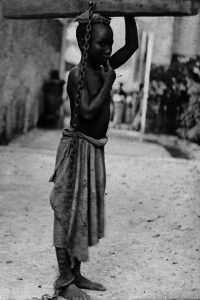
Slavery
Wikipedia
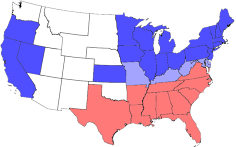
Union (American Civil War)
Wikipedia
President
Wikipedia

Maine
Wikipedia
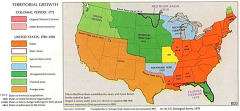
Missouri Compromise
Wikipedia
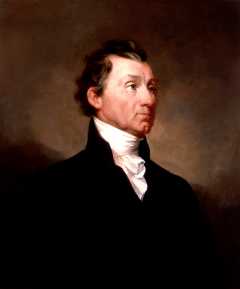
James Monroe
Wikipedia
Missouri
Wikipedia

Louisiana Purchase
Wikipedia

slave state
Wikipedia

free state
Wikipedia

Missouri Compromise
Wikipedia

James Monroe
Wikipedia

Missouri
Wikipedia

admitting
Wikipedia

Slave states and free states
Wikipedia

Maine
Wikipedia
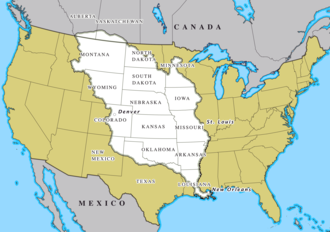
Louisiana Purchase
Wikipedia

History of the United States
Wikipedia

Massachusetts
Wikipedia

United States Senate
Wikipedia
What Else Happened on March 6

Augustus assumed the title of Pontifex Maximus in 12 BC, merging supreme religious authority with imperial power to cement his control over Rome's spiritual lif…
النبي محمد يُلقي خطبة حجة الوداع.
Seven years in a dungeon, and the Caliph still thought they'd break. The 42 Byzantine officers captured when Amorium fell in 838 weren't tortured — they were gi…
exécution de quarante-deux martyrs après une expédition en Amorium.
victoire byzantine lors du siège de Chandax, ce qui met fin à l'émirat de Crète.
Nikephoros Phokas shattered the Emirate of Crete by capturing its capital, Chandax, after a grueling ten-month siege. This victory dismantled the base for Medit…
Talk to History
Have a conversation with historical figures who witnessed this era. Ask questions, explore perspectives, and bring history to life.