

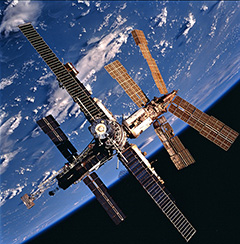
Shuttle Atlantis Docks with Mir: Space Cooperation
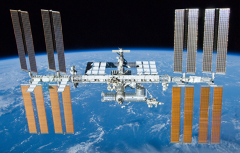
NASA astronauts conducted critical experiments aboard the Mir space station during nine Shuttle/Mir docking missions, directly preparing researchers for future work on the International Space Station. These joint efforts between American and Russian teams established the operational protocols that made the ISS possible just a few years later.
September 25, 1997
29 years ago
Key Figures & Places
What Else Happened on September 25
destruction de Jérusalem (première guerre judéo-romaine).
Alexandre Severo é derrotado pelos persas durante a reconquista de uma província romana na Mesopotâmia (atualmente no Iraque).
The Senate hadn't chosen an emperor in decades — power had passed through assassination, military coup, and dynastic succession. But in 275, with Aurelian dead …

The Roman Senate reclaimed the rare authority to choose an emperor by proclaiming the elderly senator Marcus Claudius Tacitus after a two-month interregnum foll…
Saint Fermin of Pamplona met his end by beheading in Amiens after traveling through Gaul to spread Christianity. His martyrdom transformed him into the patron s…
Muhammad al-Nafs al-Zakiyya — 'the Pure Soul' — had been expected to be the Mahdi since childhood, a man his own followers believed was destined to restore righ…
Talk to History
Have a conversation with historical figures who witnessed this era. Ask questions, explore perspectives, and bring history to life.