

Poe Publishes First Detective Story: The Mystery Genre Is Born
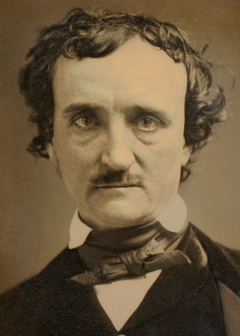
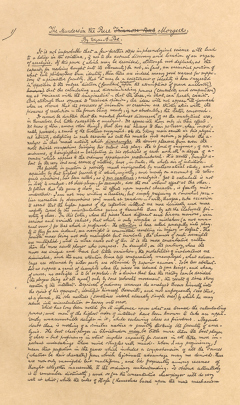
Edgar Allan Poe published "The Murders in the Rue Morgue" in Graham's Magazine in April 1841, and detective fiction was born fully formed in a single story. The tale introduced C. Auguste Dupin, an eccentric Parisian aristocrat who solves a seemingly impossible double murder through pure analytical reasoning, a method Poe called "ratiocination." Dupin examines evidence the police have overlooked, dismisses the obvious explanations, and deduces that the killer was an escaped orangutan. The solution was outlandish, but the method was revolutionary. Poe constructed the detective story's essential architecture in one attempt. The brilliant amateur detective. The loyal but intellectually inferior narrator. The baffled official police. The locked-room mystery. The dramatic revelation scene where the detective explains his reasoning. Every element that would define the genre for the next two centuries appeared in this single twenty-page story. Arthur Conan Doyle openly acknowledged Dupin as Sherlock Holmes's ancestor, and Agatha Christie's Hercule Poirot followed the same template. Poe was 32 and desperately poor when the story appeared. He was editing Graham's Magazine for a salary of $800 per year, barely enough to support himself, his young wife Virginia, and her mother. He had already published "The Fall of the House of Usher" and other gothic tales that established his reputation as a master of horror and atmosphere. "The Rue Morgue" demonstrated a different talent: the ability to construct a puzzle and solve it through logic, using the same analytical mind that made Poe one of the first serious literary critics in America. Two more Dupin stories followed: "The Mystery of Marie Roget" in 1842 and "The Purloined Letter" in 1844. Together, the three stories established the conventions that mystery writers would follow, subvert, and reinvent for generations. Poe received no lasting financial benefit from inventing one of the most commercially successful genres in literary history. He died in 1849 at age 40 under circumstances that remain, appropriately, a mystery. The genre he created now generates billions of dollars annually in books, films, television, and games.
April 20, 1841
185 years ago
Key Figures & Places
What Else Happened on April 20
A mother and son fought over Jerusalem, not for glory, but for who held the reins of power. For eight years, Baldwin III and Queen Melisende clashed, tearing th…
Pope Boniface VIII issued the papal bull In Supremae Praeminentia Dignitatis to establish the Sapienza University of Rome. By centralizing ecclesiastical educat…
Three Genoese galleys smashed through the massive Ottoman blockade to deliver vital supplies and reinforcements to Constantinople. This tactical victory briefly…
Jacques Cartier departed Saint-Malo with two ships, sailing across the Atlantic to map the Gulf of St. Lawrence. By claiming these lands for France, he initiate…
A ghostly halo split the sky over Stockholm, three suns burning where only one should be. The crowd didn't just stare; they panicked, convinced the apocalypse h…
He kicked the door open, grabbed his hat, and told them to pack their bags. Cromwell didn't just dissolve the Rump Parliament; he dragged away the few MPs who s…
Talk to History
Have a conversation with historical figures who witnessed this era. Ask questions, explore perspectives, and bring history to life.