

Apollo 16 Returns from the Moon
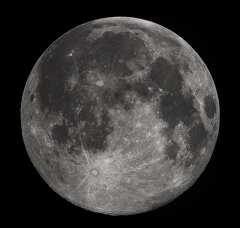
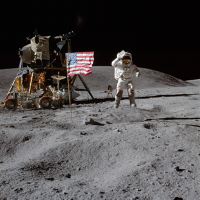
Apollo 16 splashed down in the Pacific Ocean, capping the fifth successful lunar landing with John Young and Charles Duke collecting 208 pounds of moon rocks. This mission delivered the most geologically diverse samples ever brought back, fundamentally changing our understanding of the Moon's volcanic history and proving humans could operate effectively on the surface for three full days.
April 27, 1972
54 years ago
Key Figures & Places

What Else Happened on April 27
Three hundred captured Iberians stood in chains as Philippus paraded them through Rome's dust, a spectacle for his step-brother Octavian who watched from the cr…
Lúcio Márcio Filipo, meio-irmão do futuro imperador Augusto, comemora um triunfo por suas vitórias no período em que serviu como governante em uma das província…
Coins bore his face, not Rome's god. Philip spent fortunes on twenty days of games while legions mutinied on the frontier. He tried to buy a millennium that was…
She brought Frankish steel to Constantinople's silk halls. In 395, Arcadius wed Aelia Eudoxia, daughter of general Flavius Bauto. But she didn't just sit on a t…
The crown sat heavy on Shahrbaraz's head, but his victory tasted like ash from a burning Ctesiphon. After six years of civil war and a dead emperor, he'd traded…
Schahr-Barâz devient roi de l'empire perse (et donc empereur).
Talk to History
Have a conversation with historical figures who witnessed this era. Ask questions, explore perspectives, and bring history to life.