

Clinton and Yeltsin Agree to Stop Aiming Nukes: Cold War Thaws
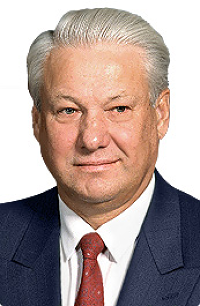
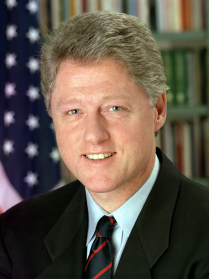
Twelve nuclear warheads. That's what Ukraine surrendered that day, stepping back from being the world's third-largest nuclear power. Clinton and Yeltsin weren't just signing paper—they were unwinding decades of Cold War tension with ballpoint pens and cautious hope. And the missiles? No longer pointed at each other's capitals. A remarkable moment when two former enemies agreed: maybe we don't need to destroy each other after all.
January 14, 1994
32 years ago
Key Figures & Places
What Else Happened on January 14
Im Alexandrinischen Krieg gelingt den vereinigten Heeren von Gaius Iulius Caesar und Mithridates von Pergamon nahe Alexandria der Sieg über die ägyptische Strei…
Nine French knights huddled in a drafty stone hall, swearing a radical vow of poverty. But these weren't ordinary monks. They'd protect Christian pilgrims in th…
A teenage bride from France, Eleanor arrived with silk gowns and a reputation for expensive taste. She'd bankrupt the royal treasury with lavish parties and imp…
The last male heir of Hungary's founding family died without a son. And just like that, three centuries of royal lineage vanished. The Árpád dynasty - which had…
A baker's son who'd become a theological powerhouse. Arnošt wasn't just climbing church ranks—he was rewriting them. When he secured Prague's first archbishopri…
entre Salerno y Potenza (Italia) a las 21:00 (hora local) sucede un terremoto de 4,6 grados de la escala de Richter, que destruye la mayoría de las viviendas (e…
Talk to History
Have a conversation with historical figures who witnessed this era. Ask questions, explore perspectives, and bring history to life.