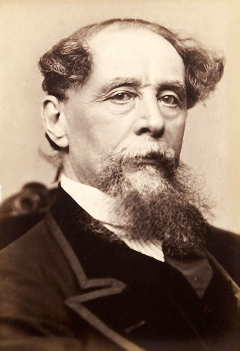
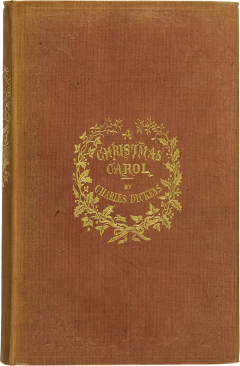
Dickens Publishes A Christmas Carol: Redemption for All
Charles Dickens wrote a ghost story to pay his debts and accidentally reinvented Christmas. On December 19, 1843, A Christmas Carol was published in London, selling out its first edition of 6,000 copies within a week. The slim novella about a miser's supernatural redemption transformed the holiday from a fading religious observance into the season of generosity, family, and goodwill that the English-speaking world celebrates today. Dickens was in financial trouble when he began writing in October 1843. Sales of his serialized novel Martin Chuzzlewit were disappointing, and he had a growing family to support. A visit to a Manchester ragged school, where he saw impoverished children receiving their only education, sharpened his desire to write something that would move the public conscience. He chose the Christmas season as his vehicle and wrote the entire book in six weeks. The story of Ebenezer Scrooge, visited on Christmas Eve by the ghost of his dead partner Jacob Marley and three spirits representing Christmases past, present, and future, drew on Dickens's lifelong preoccupation with poverty, childhood suffering, and social responsibility. The character of Tiny Tim embodied the vulnerability of the poor in industrial England. Scrooge's transformation from heartless skinflint to generous benefactor offered a moral template that resonated with Victorian readers. The book's commercial success was complicated by Dickens's insistence on expensive production values, including hand-colored illustrations and gilt edges. The high costs left him with a profit of only 230 pounds, far less than the thousand he expected. Pirated editions appeared almost immediately. A Christmas Carol's cultural impact far exceeded its financial returns. The book popularized traditions now associated with the holiday, from the Christmas turkey to the greeting "Merry Christmas." "Bah! Humbug!" entered the language permanently, and Scrooge became a universal symbol of miserliness redeemed.
December 19, 1843
183 years ago
Key Figures & Places
What Else Happened on December 19
Caracalla couldn't share power. His brother Geta arrived at their mother's apartments believing the family peace talks were real — he'd left his guards outside.…
Licinius didn't abdicate. He surrendered. Constantine's army had crushed his forces at Chrysopolis — 25,000 of Licinius's men dead in a single afternoon. His w…
Byzantine forces dragged Pope Martin I from Rome to Constantinople, where imperial judges subjected the pontiff to a sham trial for opposing Monothelitism. The …
Henry Plantagenet was 21 years old and already controlled more of France than the French king did. His coronation made him ruler of an empire stretching from Sc…
Nineteen cardinals locked themselves in the Lateran Palace for three days. When they finally emerged on December 19, 1187, they'd chosen Paolo Scolari—a Roman n…
Anne of Brittany was 13. Her duchy was Europe's last independent region between France and the Empire, and everyone wanted it. So her advisors married her to Ma…
Talk to History
Have a conversation with historical figures who witnessed this era. Ask questions, explore perspectives, and bring history to life.