

Ada Lovelace Dies: The First Computer Programmer
Ada Lovelace passed away in 1852 after spending her final years refining Charles Babbage's analytical engine, a project that cemented her legacy as the world's first computer programmer. Her visionary notes on how the machine could manipulate symbols beyond mere calculation laid the concrete foundation for modern software development.
November 27, 1852
174 years ago
Key Figures & Places
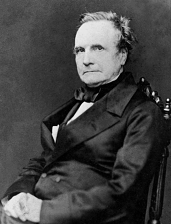
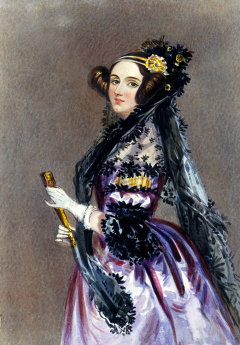
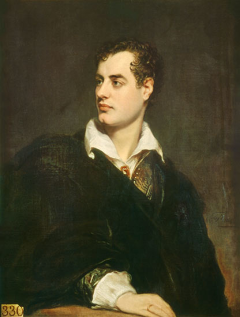
What Else Happened on November 27
Emperor Guangwu had just clawed back a dynasty from total collapse. After civil war shredded the Han empire apart, he didn't rebuild where his predecessors sat …
Commodus was fifteen. That's how old Marcus Aurelius trusted with command of Rome's entire military machine. The philosopher-emperor, famous for his restraint a…
Gothic mercenaries under the command of Gainas assassinated Flavius Rufinus, the praetorian prefect of the East, in the Hippodrome of Constantinople. This bruta…
Four sons. One kingdom. Zero agreement on who gets what. Clovis I had unified the Franks through brutal conquest and shrewd conversion to Christianity, but his …
King Clovis I died in Lutetia, leaving behind a unified Frankish kingdom that stretched across much of modern-day France and Germany. By converting to Catholici…
Five sons. One father. All dead before he was. Emperor Maurice didn't just lose power in 602 — he watched his boys killed one by one before the blade finally re…
Talk to History
Have a conversation with historical figures who witnessed this era. Ask questions, explore perspectives, and bring history to life.