Lincoln Elected: Nation Divided Over Slavery
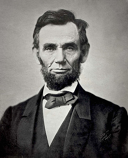
Abraham Lincoln won the presidency on November 6, 1860, without appearing on the ballot in ten Southern states, carrying not a single county south of Virginia, and receiving less than 40 percent of the national popular vote. The election was a four-way fracture that exposed the irreparable division over slavery and set the country on an irreversible path toward civil war. Before Lincoln even took the oath of office, seven states would vote to secede. The Democratic Party had split at its convention in Charleston, South Carolina, when Southern delegates walked out after the platform committee refused to include a plank protecting slavery in the western territories. Northern Democrats nominated Stephen Douglas; Southern Democrats chose Vice President John C. Breckinridge. A fourth candidate, John Bell of the Constitutional Union Party, campaigned on a vague platform of preserving the Union without addressing slavery at all. Lincoln's Republican platform opposed the expansion of slavery into new territories but did not call for abolition where it already existed. This distinction was meaningless to Southern leaders who saw any restriction on slavery's expansion as an existential threat to their political power and economic system. Lincoln won with 180 electoral votes, a clear majority, by sweeping every Northern state except New Jersey, which he split with Douglas. South Carolina voted to secede on December 20, 1860, six weeks after the election and ten weeks before Lincoln's inauguration. Mississippi, Florida, Alabama, Georgia, Louisiana, and Texas followed by February 1861. The outgoing president, James Buchanan, declared secession illegal but insisted the federal government had no power to prevent it. Lincoln, still in Springfield, Illinois, could only watch as the country disintegrated. By the time he delivered his inaugural address on March 4, 1861, the Confederate States of America had already elected its own president. The war came six weeks later.
November 6, 1860
166 years ago
Key Figures & Places

What Else Happened on November 6
Constantius II handed power to a man he genuinely expected to fail. Julian was a bookish scholar, barely tested, given Gaul almost as a placeholder — someone co…
A powerful earthquake destroyed large sections of the Walls of Constantinople, toppling 57 towers and leaving the city exposed. The Byzantine government mobiliz…
Emperor Otto I convened the Synod of Rome on November 6, 963, deposing Pope John XII on charges of armed rebellion and moral misconduct. The pope had crowned Ot…
King Henry III seals the Charter of the Forest at St Paul's Cathedral, restoring free men's access to royal lands that William the Conqueror and his heirs had r…
He didn't arrive with flags or fanfare. Cabeza de Vaca washed ashore half-dead, part of a doomed expedition that lost 600 men to storms, disease, and disaster. …
He was winning. Gustavus Adolphus had just shattered Imperial lines at Lützen when fog swallowed him whole — and somewhere in that chaos, Sweden's king took a b…
Talk to History
Have a conversation with historical figures who witnessed this era. Ask questions, explore perspectives, and bring history to life.