Today In History logo TIH
George Catlett Marshall, the retired general who had served as U.S. Army Chief o
Featured Event 1953 Event

October 30

Marshall Wins Nobel: Europe Rebuilt by American Aid

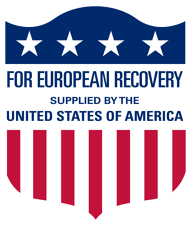
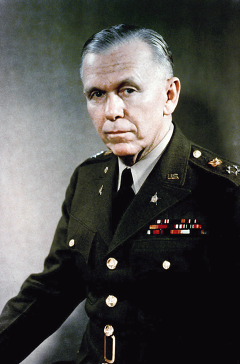
George Catlett Marshall, the retired general who had served as U.S. Army Chief of Staff during World War II and later as Secretary of State, was awarded the Nobel Peace Prize on October 30, 1953, for the European Recovery Program that bore his name. Marshall was the first professional soldier to receive the peace prize, and the plan he championed remained the largest and most successful international aid program in history. Marshall had outlined the proposal in a commencement address at Harvard University on June 5, 1947, speaking for barely twelve minutes. Europe, he told the graduates, was in danger of economic collapse. The continent's industrial infrastructure was destroyed, its currencies were worthless, its populations were malnourished, and the harsh winter of 1946-47 had brought several countries to the edge of famine. Without American assistance, Marshall warned, Europe would descend into the "despair and chaos" that bred extremism and dictatorship. The plan that emerged from Marshall's speech was administered by the Economic Cooperation Administration and distributed roughly $13.3 billion (approximately $175 billion in today's dollars) in grants and loans to sixteen Western European countries between 1948 and 1952. The aid took many forms: food shipments to prevent starvation, raw materials for factories, machinery for reconstruction, and technical expertise for modernizing industry and agriculture. The results were extraordinary. Western European industrial production surged 35 percent above prewar levels by 1951. Agricultural output recovered to prewar norms. Inflation stabilized. International trade revived. Countries that had been prostrate in 1947, particularly West Germany, France, Italy, and the Netherlands, experienced economic growth rates that would have seemed unimaginable just years earlier. The Marshall Plan also served American strategic interests by binding Western Europe into an economic and political alignment with the United States, creating the foundation for NATO and the transatlantic alliance that contained Soviet expansion during the Cold War. The Soviet Union rejected Marshall Plan aid for itself and its satellites, viewing the program correctly as an instrument of American influence. Stalin's refusal deepened the division of Europe into rival blocs and accelerated the onset of the Cold War. Marshall himself, characteristically modest, accepted the Nobel Prize in Oslo and used his acceptance speech to warn that lasting peace required more than military strength. "There must be an understanding of the will of the people for peace," he said, "and a will to achieve it."

October 30, 1953

73 years ago

Key Figures & Places
What Else Happened on October 30

Talk to History

Have a conversation with historical figures who witnessed this era. Ask questions, explore perspectives, and bring history to life.

Start Talking