Today In History logo TIH
Richard II was the first English king to surrender his crown, and the precedent
Featured Event 1399 Event

September 29

Richard II Abdicates: First Monarch to Quit Throne

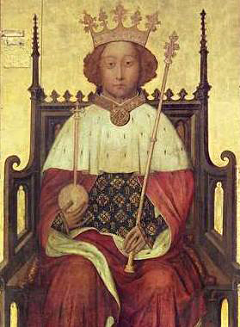
Richard II was the first English king to surrender his crown, and the precedent he established would echo through English history for centuries. On September 29, 1399, Richard formally abdicated the throne in the Tower of London, yielding power to his cousin Henry Bolingbroke, who was crowned Henry IV the next day. The deposition ended the direct Plantagenet line and planted the seeds of the Wars of the Roses. Richard had inherited the throne in 1377 at the age of ten following the death of his grandfather, Edward III. His early reign was marked by the Peasants' Revolt of 1381, during which the teenage king showed remarkable courage by riding out to meet the rebels at Smithfield and personally dispersing them after their leader Wat Tyler was killed. The promise of that moment was never fulfilled. As Richard matured, he developed an exalted sense of royal authority that alienated the powerful nobility. He surrounded himself with favorites, spent lavishly, and demanded a level of deference from his nobles that had no precedent in English custom. In 1397, he struck against his opponents, arresting or exiling several senior lords, including his cousin Henry Bolingbroke, Duke of Lancaster, whom he banished for ten years and then effectively for life by seizing the Lancastrian inheritance when John of Gaunt died in 1399. The seizure of the Lancaster estates proved fatal. Bolingbroke invaded England in July 1399 while Richard was campaigning in Ireland. The king's supporters melted away, and Richard was captured at Flint Castle in Wales. Brought to London, he was presented with a document of abdication that he reportedly read aloud "with a cheerful countenance," though no one believed the cheerfulness was genuine. Parliament accepted the abdication and approved Bolingbroke's claim to the throne. Richard was imprisoned at Pontefract Castle in Yorkshire and died there in February 1400, almost certainly murdered on Henry IV's orders, though the official story claimed he starved himself. The deposition established that English kingship rested ultimately on the consent of the political community, not divine right alone. Shakespeare dramatized Richard's fall in one of his greatest history plays, giving the deposed king some of the most poetic speeches in the English language.

September 29, 1399

627 years ago

Key Figures & Places
What Else Happened on September 29

Talk to History

Have a conversation with historical figures who witnessed this era. Ask questions, explore perspectives, and bring history to life.

Start Talking