

Zenger Acquitted of Libel: Freedom of the Press Is Born
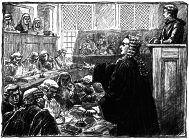
Andrew Hamilton's fiery defense secured an acquittal for printer John Peter Zenger, shattering colonial fears of seditious libel and establishing a precedent that journalists could criticize government officials without fear of imprisonment. This verdict transformed the courtroom into a battleground for free expression, directly inspiring the First Amendment's protections decades later.
August 4, 1735
291 years ago
Key Figures & Places
What Else Happened on August 4
Roman legions under Titus leveled the Second Temple in Jerusalem, ending the Great Jewish Revolt. This catastrophe forced Judaism to transition from a centraliz…
Valentinian I elevated his eight-year-old son Gratian to the rank of co-Augustus, formalizing a dynastic succession plan to secure the stability of the Western …
Graciano recebe o título de Augusto no governo de seu pai, Valentiniano I.
Emperor Wendi of Sui launched a massive invasion of Goguryeo (Korea) during the Manchurian monsoon season, sending his youngest son Yang Liang with a combined a…
a la muerte de Muhammad I, su hijo Al-Mundir es nombrado en Córdoba sexto emir omeya.
en la península italiana, las tropas pisanas atacan la ciudad de Amalfi.
Talk to History
Have a conversation with historical figures who witnessed this era. Ask questions, explore perspectives, and bring history to life.