

Moscow Olympics Boycotted: Cold War Splits the Games
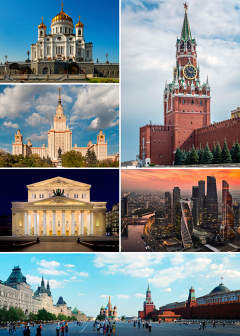
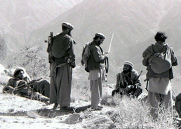
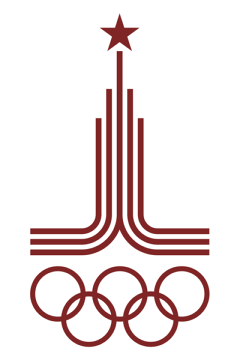
Eighty countries marched into Moscow's Lenin Stadium for the opening ceremony of the 1980 Summer Olympics on July 19, but sixty-five nations were conspicuously absent. The largest Olympic boycott in history had turned the Games into a Cold War battlefield where medals mattered less than geopolitics. The crisis began on Christmas Eve 1979 when Soviet troops invaded Afghanistan to prop up a faltering communist government. President Jimmy Carter, already dealing with the Iran hostage crisis and a struggling economy, seized on the Olympics as leverage. In January 1980, he issued an ultimatum: if Soviet forces did not withdraw from Afghanistan within one month, the United States would boycott the Moscow Games. The deadline passed with Soviet tanks still rolling through Kabul. Carter pressured allied nations to join the boycott, wielding trade agreements and diplomatic relationships as incentives. West Germany, Japan, Canada, China, and dozens of other nations agreed. Britain, France, and Australia allowed their athletes to compete but under the Olympic flag rather than their national banners. The Soviet bloc had spent over nine billion dollars preparing Moscow to showcase communism's achievements, and the boycott gutted the spectacle. The Games proceeded with diminished competition and hollow record-breaking. Soviet and East German athletes dominated medal counts, but their victories carried an asterisk in public perception. American athletes who had trained for years saw their Olympic dreams evaporate for political reasons beyond their control. Gymnasts, swimmers, and track stars who peaked in 1980 would never get that moment back. Four years later, the Soviet Union retaliated with its own boycott of the 1984 Los Angeles Olympics, confirming that the Games had become a proxy arena for superpower rivalry. The mutual boycotts damaged the Olympic movement so severely that the IOC spent the next decade rebuilding its credibility as a nonpolitical institution.
July 19, 1980
46 years ago
Key Figures & Places
What Else Happened on July 19
The International Court of Justice ordered Israel to end its occupation of Palestinian territories and commanded all UN member states to stop recognizing that c…
A faulty CrowdStrike software update on July 19, 2024, triggered the largest IT outage in history, crashing an estimated 8.5 million Windows computers across ai…
A sudden thunderstorm capsized the tourist boat Wonder Sea in Ha Long Bay, Vietnam, killing at least 36 people aboard in one of the country's worst maritime dis…
Ten of Rome's fourteen districts. Gone. The fire started in shops near the Circus Maximus on July 18th, 64 CE, and burned for six days straight. Emperor Nero wa…
Flames erupted in Rome’s merchant district, consuming ten of the city’s fourteen districts and displacing thousands of residents. While Nero’s alleged musical p…
A general marched into Tarsus and declared himself emperor while the actual emperor, Zeno, still ruled in Constantinople. Leontius commanded troops in Isauria—h…
Talk to History
Have a conversation with historical figures who witnessed this era. Ask questions, explore perspectives, and bring history to life.