Cheerioats Launches: A Breakfast Icon Is Born
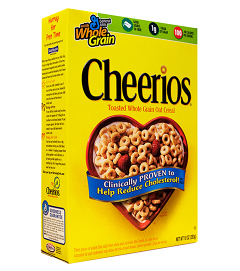
General Mills shipped six cases of a new cereal to test markets in May 1941, and the product inside the boxes looked like nothing on grocery shelves. CheeriOats, as the company called it, was the first ready-to-eat oat cereal, shaped into small toroidal rings by a puffing gun that shot dough through a die at high pressure. Within a decade, it would become the best-selling cereal in America. The development team, led by Lester Borchardt, spent years solving the technical challenge of making oat flour behave in a puffing process designed for wheat and rice. Oats contain more fat than other grains, which made them sticky and difficult to extrude. Borchardt's breakthrough involved cooking the oat flour under precise steam pressure before shaping it, a process General Mills patented. The cereal launched with health messaging that was aggressive even by 1940s standards. Advertisements promoted CheeriOats as a source of energy and vitality, leaning into wartime nutrition concerns. General Mills distributed samples to military bases, and the cereal became a staple of mess halls during World War II, introducing it to millions of young servicemen who brought the habit home. Quaker Oats sued in 1945, arguing that the name "CheeriOats" infringed on their trademark by implying a connection to their oat products. General Mills settled by renaming the cereal "Cheerios," a change that proved to be a marketing gift. The shorter, friendlier name was easier for children to say and remember. Cheerios became the top-selling cereal brand in the United States by 1951 and has held that position for most of the decades since. The original plain variety remains its best seller, and the brand's association with heart health, formalized in a 1999 FDA-approved label claim about oat fiber and cholesterol reduction, transformed a breakfast food into something closer to a daily health ritual for millions of Americans.
May 2, 1941
85 years ago
Key Figures & Places

What Else Happened on May 2
King Richard I granted Portsmouth its first Royal Charter, transforming a modest settlement into a strategic naval hub. By establishing the town as a protected …
Prince Llywelyn the Great executed the powerful Marcher lord William de Braose by hanging at Aber after discovering him in his wife’s bedchamber. This brutal ac…
Otto the Merry secured the Duchy of Carinthia, expanding the Habsburg reach deep into the Eastern Alps. By consolidating these territories, he transformed his f…
The charges were written before the interrogations began. Anne Boleyn's arrest on May 2nd, 1536, came with accusations so perfectly coordinated—five men, four d…
Knox stepped off the ship at Leith harbor with a death sentence already on his head—French authorities had burned him in effigy two years earlier. He was fifty-…
The getaway boat almost sank twice crossing Loch Leven. Mary Stuart's teenage admirer Willie Douglas had stolen the castle keys during dinner, locking every gat…
Talk to History
Have a conversation with historical figures who witnessed this era. Ask questions, explore perspectives, and bring history to life.