

Washington Defies British Taxes: Virginia Resolves Against Taxation
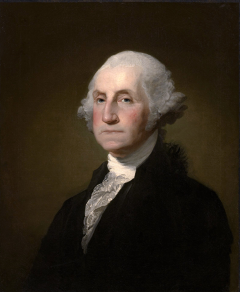
George Washington champions a colonial boycott of English goods after drafting a proposal with George Mason to repeal the Townshend Acts. This bold defiance transforms Virginia's resistance into organized economic warfare, directly challenging Britain's authority and setting the stage for unified colonial action against taxation without representation.
May 17, 1769
257 years ago
Key Figures & Places
What Else Happened on May 17
élection du pape Libère.
en Córdoba (España), tras la muerte de Al Hakam I, inicia su reinado Abderramán II, durante el cual los cordobeses adoptaron la moda de Bagdad, introducida por …
Adrien III devient le 109e pape.
Bei Ramla gelingt es einem ägyptischen Heer in der zweiten Schlacht gegen das Königreich Jerusalem, eine zahlenmäßig unterlegene Kreuzrittertruppe zu zerschlage…
Mircea the Elder’s Wallachian forces ambushed the Ottoman army at the Battle of Rovine, repelling Sultan Bayezid I’s superior numbers through clever use of terr…
Das Abendländische Schisma erreicht einen neuen Höhepunkt: Johannes XXIII. wird als Nachfolger von Alexander V. als zweiter Gegenpapst zu Gregor XII. in Rom und…
Talk to History
Have a conversation with historical figures who witnessed this era. Ask questions, explore perspectives, and bring history to life.