

Ford Assembly Line Starts: The Model T Gets Mass-Produced
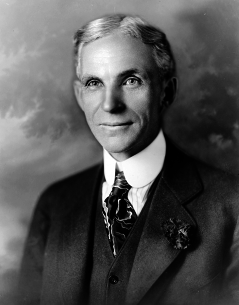
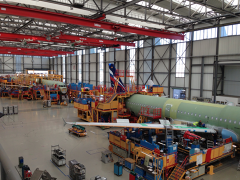
Engineers rigged a rope-and-winch system to ferry a new Ford Model T past 140 workers at Detroit's Crystal Palace factory, slashing assembly time from 12.5 hours to just 93 minutes. This radical shift in manufacturing slashed production costs and turned the automobile from a luxury into a mass-market necessity within months. Other industries soon copied the method, standardizing everything from cereal to caskets while delivering higher quality and reliability at lower prices.
October 7, 1913
113 years ago
Key Figures & Places

What Else Happened on October 7
The Hebrew calendar counts time from this date, which rabbinic tradition identifies as the moment of the world's creation. By anchoring religious life to this s…
The Hebrew calendar counts from a date calculated centuries later by medieval rabbis: October 7, 3761 BCE. They worked backward through biblical genealogies, ad…
en el Reino de Judá, un terremoto de aproximadamente 7.3 grados de la escala sismológica de Richter deja un saldo de unos 5000 muertos en las regiones de Galile…
Pope Mark died after a brief eight-month tenure, leaving the Roman Church without a leader during a period of intense theological friction over Arianism. His de…
en Córdoba (península ibérica), accede al poder de Hisham I, segundo emir independiente de Al-Ándalus.
en Zamora (península ibérica), Bellido Dolfos asesina al rey Sancho el Fuerte junto a las murallas de la ciudad.
Talk to History
Have a conversation with historical figures who witnessed this era. Ask questions, explore perspectives, and bring history to life.