

Woodstock Day Three: 500,000 People, Peace, and Music Continue
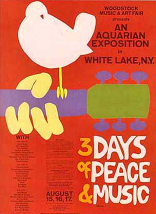
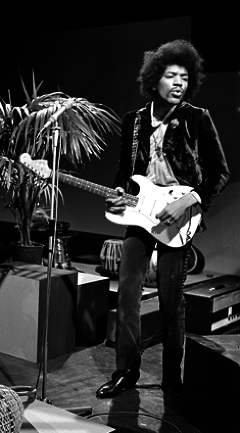
Jimi Hendrix twisted "The Star Spangled Banner" into a screaming, feedback-drenched solo that defined the festival's chaotic spirit for 400,000 attendees. This performance cemented Woodstock as a critical moment in popular music history, proving rock could function as a unifying cultural force rather than just entertainment.
August 17, 1969
57 years ago
Key Figures & Places

What Else Happened on August 17
Pope Eusebius was banished to Sicily by Emperor Maxentius in 309 CE, reportedly for trying to reconcile Christians who had renounced their faith during the pers…

Emperor Basil II walked into an ambush. A Bulgarian army under brothers Samuel and Aron destroyed his force at Trajan's Gate in 986, a mountain pass the Romans …
Samuel and Aron's Bulgarian forces crush the Byzantine army at the Gate of Trajan, compelling Emperor Basil II to flee for his life. This decisive victory shatt…
Stephan I. wird in Gran von einem päpstlichen Gesandten zum ersten König von Ungarn gekrönt.
The Georgenberg Pact of 1186 merged Austria and Styria into a single political unit under the Babenberg dynasty. Duke Ottokar IV of Styria, childless and ill, s…
Karl Topia, ruler of the Albanian princedom, forged an alliance with Venice in 1386, pledging military support in exchange for coastal defense against the Ottom…
Talk to History
Have a conversation with historical figures who witnessed this era. Ask questions, explore perspectives, and bring history to life.