MacArthur Commands Korea: UN Forces Enter the War
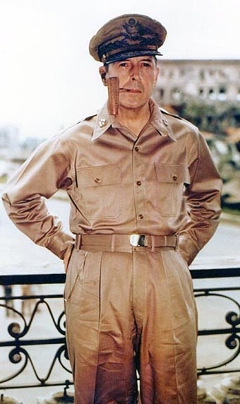
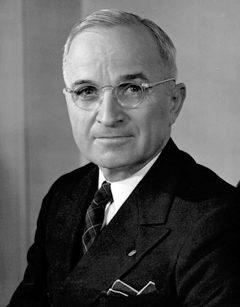
General Douglas MacArthur received command of all United Nations forces in Korea on July 8, 1950, thirteen days after North Korean troops crossed the 38th parallel and invaded the South. The appointment placed the most famous and most controversial American general of his generation in charge of a war that would test the limits of civilian control over the military and bring the world closer to nuclear conflict than any crisis since Hiroshima. MacArthur was 70 years old and had not set foot on the American mainland in over a decade. He ruled postwar Japan as Supreme Commander of the Allied Powers with an authority that approached absolute, reshaping Japanese society through a new constitution, land reform, and democratization. His staff called him the Gaijin Shogun. His ego was legendary, his military record extraordinary, and his willingness to challenge superiors well established. The early weeks of the Korean War were catastrophic for the South. North Korean forces, trained and equipped by the Soviet Union, overwhelmed the South Korean army and pushed the small American garrison into a shrinking perimeter around the port city of Pusan. MacArthur s strategic masterstroke came on September 15 with the amphibious landing at Inchon, 150 miles behind enemy lines. The Joint Chiefs had considered the plan reckless. MacArthur argued that its very audacity guaranteed surprise. He was right. The landing cut North Korean supply lines and triggered a complete reversal of the war. MacArthur then pushed north across the 38th parallel, driving toward the Chinese border at the Yalu River despite repeated warnings from Beijing that China would intervene. On November 25, 1950, roughly 300,000 Chinese soldiers attacked, shattering UN lines and forcing the longest retreat in American military history. MacArthur demanded authorization to bomb China and use nuclear weapons. President Truman refused. The confrontation between MacArthur and Truman culminated in MacArthur s dismissal on April 11, 1951, for insubordination. MacArthur returned to a hero s welcome, addressed Congress, and faded from public life. The Korean War ground on for two more years before an armistice restored the prewar border, achieving none of the objectives MacArthur had pursued.
July 8, 1950
76 years ago
Key Figures & Places
What Else Happened on July 8
Fifteen thousand starving Crusader soldiers marched barefoot around Jerusalem's walls in a religious procession while Muslim defenders watched from the ramparts…
The Byzantine army slaughtered 15,000 Hungarian soldiers at Sirmium in a single afternoon. Manuel I Komnenos had lured King Stephen III's forces into the marshl…
Roger of Lauria's galleys trapped the Angevin relief fleet in Malta's Grand Harbor before a single soldier could disembark. June 8, 1283. The Provençal commande…
Four ships. That's what Vasco da Gama commanded when he left Lisbon on July 8, 1497, chasing a sea route to India's spice markets. His crew of 170 men faced ten…
A young girl unearthed the icon of Our Lady of Kazan from the ashes of a devastating fire, and the image quickly became the most venerated in the Russian Orthod…
Charles II granted a royal charter to Rhode Island, formally establishing the colony as a haven for religious dissenters. By guaranteeing freedom of conscience,…
Talk to History
Have a conversation with historical figures who witnessed this era. Ask questions, explore perspectives, and bring history to life.