

Knights Templar Officially Recognized: The Pope Blesses the Warrior Monks
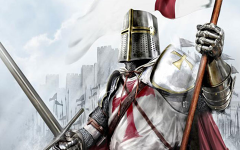
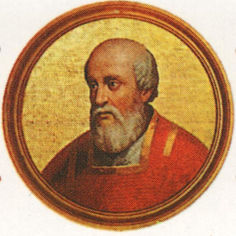
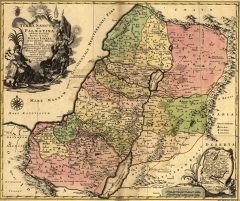
Twelve French knights. That's how the Knights Templar began - not with a battle, but a promise to protect pilgrims in a land torn by religious conflict. And here they were, a decade after their founding, finally getting papal legitimacy at the Council of Troyes. Bernard of Clairvaux would draft their radical rules: poverty, chastity, obedience. No personal wealth. No family. Just a sword and a sacred mission. They'd become the most powerful warrior-monks in history - but today, they were just men seeking approval, hoping their vision would transform the Christian world.
January 13, 1128
898 years ago
Key Figures & Places
What Else Happened on January 13
He'd just become the most powerful man in the world—and decided to make it look like a gift. Octavian, fresh from defeating Mark Antony, handed back "control" t…
The crowd wasn't just angry—they were murderous. What started as a chariot racing dispute between rival fan clubs in Constantinople exploded into the most destr…
Andrew Jackson was furious — and he put it in writing. His letter to Van Buren during the Nullification Crisis made clear he viewed South Carolina's defiance of…
en España, Recaredo, rey visigodo hispánico, declara su adhesión y la de su familia a la fe católica.
The Vikings had been terrorizing Paris for years, burning monasteries and demanding tribute. But Odo wasn't backing down. When the siege of Paris ended after a …
en Troyes, tuvo lugar el concilio donde se reconoció oficialmente a la Orden del Temple.
Talk to History
Have a conversation with historical figures who witnessed this era. Ask questions, explore perspectives, and bring history to life.