

700 Soviet Troops in Afghan Uniforms Storm Kabul: The War Begins
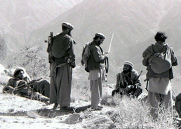
The KGB cut Kabul's phones at 7 PM sharp. Fifteen minutes later, Soviet commandos dressed as Afghan soldiers stormed the presidential palace and killed Hafizullah Amin — the man Moscow had installed just three months earlier. By morning, Radio Kabul announced Afghanistan had been "liberated" from Amin's rule and a new president installed, one who conveniently requested Soviet help the moment he took power. The charade lasted hours. The invasion lasted a decade. Over 100,000 Soviet troops poured across the border in two weeks, launching a war that would kill a million Afghans, birth the mujahideen, and ultimately help collapse the USSR itself.
December 27, 1979
47 years ago
Key Figures & Places
What Else Happened on December 27
Ein Teil des römischen Klerus wählt Eulalius als Nachfolger des am Vortag verstorbenen Zosimus zum Papst. Da der am folgenden Tag ebenfalls gewählte Bonifatius …
Emperor Justinian I unveiled the Hagia Sophia in Constantinople, showcasing a massive dome that defied the architectural limitations of the sixth century. By ut…
The first Hagia Sophia burned down in 404. The second one — bigger, grander — fell to rioters in 532 during the Nika riots that nearly toppled Emperor Justinian…
prédication de la deuxième croisade, à Spire, par Saint Bernard de Clairvaux, devant l'empereur Conrad III.
Saint Dominique et Diego d'Osma fondent le monastère féminin de Prouilhe (qui ne deviendra monastère double que l’année suivante), à l’origine du développement …
Der flämische Forschungsreisende Wilhelm von Rubruk erreicht die mongolische Hauptstadt Karakorum, wo er sich mit seinen Begleitern mehrere Monate am Hof des Gr…
Talk to History
Have a conversation with historical figures who witnessed this era. Ask questions, explore perspectives, and bring history to life.