

Stalin Orders Liquidation of Kulaks: Terror Spreads
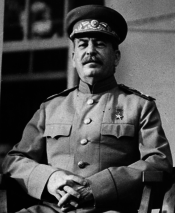
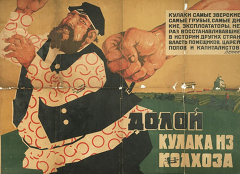
Joseph Stalin declared the "liquidation of the kulaks as a class" on December 27, 1929, launching a campaign of forced collectivization and political terror that would kill millions of Soviet peasants, destroy Russian agriculture for generations, and establish the template for state-directed mass violence that defined the twentieth century. The kulak designation, theoretically reserved for wealthy exploitative peasants, was applied so broadly and arbitrarily that any farmer who owned a cow or hired seasonal help could be targeted. Stalin had consolidated power by 1928 and faced a genuine crisis: Soviet cities were growing rapidly, but grain deliveries were falling as peasants, lacking incentive to sell at state-set prices, consumed or hoarded their production. Rather than raise prices, Stalin chose to eliminate private farming entirely, forcibly merging individual holdings into collective farms controlled by the state. The kulaks, who were the most productive farmers and therefore the most resistant to collectivization, were designated as class enemies to be destroyed. The campaign operated through three categories: execution or labor camps, deportation to Siberia, or property seizure and local resettlement. Local party officials competed to meet quotas, often condemning ordinary peasants with no claim to kulak status. An estimated 1.8 million people were deported in 1930-1931 alone, transported in unheated cattle cars. Conservative estimates place the death toll from dekulakization, collectivization, and the resulting 1932-1933 famine at five to seven million, with Ukraine suffering the worst in what Ukrainians call the Holodomor. Soviet agricultural output did not recover to pre-collectivization levels until the 1950s. Stalin publicly declared collectivization a triumph while the propaganda apparatus erased the kulaks from history.
December 27, 1929
97 years ago
Key Figures & Places
What Else Happened on December 27
The first Hagia Sophia burned down in 404. The second one — bigger, grander — fell to rioters in 532 during the Nika riots that nearly toppled Emperor Justinian…
Emperor Justinian I unveiled the Hagia Sophia in Constantinople, showcasing a massive dome that defied the architectural limitations of the sixth century. By ut…
Spain tried to legislate colonial conscience. The Laws of Burgos mandated that Spanish settlers couldn't overwork Indians, had to feed them meat three times wee…
The Zwickau prophets descended upon Wittenberg, claiming direct divine revelation and demanding the immediate destruction of religious icons. Their radical rhet…
The Swedish army had already taken Warsaw and Kraków. Poland looked finished. But 70 monks and 160 soldiers held a hilltop monastery against 3,000 Swedes for fo…
Thirty colonists in a Dutch village broke the law to defend Quakers they'd never met. Governor Peter Stuyvesant had banned the sect from New Amsterdam entirely—…
Talk to History
Have a conversation with historical figures who witnessed this era. Ask questions, explore perspectives, and bring history to life.