

Show Boat Opens: First True American Musical
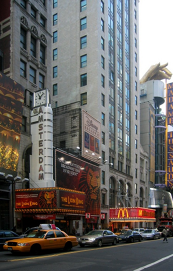
Show Boat opened at the Ziegfeld Theatre on Broadway on December 27, 1927, and the American musical was never the same. Based on Edna Ferber 1926 novel, with music by Jerome Kern and lyrics by Oscar Hammerstein II, the show replaced the plotless song-and-dance revues that dominated Broadway with an integrated dramatic narrative that tackled racial injustice, miscegenation, and the passage of time across three decades on a Mississippi River show boat. Florenz Ziegfeld, the impresario famous for his lighthearted Follies revues, had reluctantly agreed to produce the show after Kern and Hammerstein convinced him that audiences were ready for something more ambitious. Ziegfeld nearly backed out multiple times during the troubled production, which ran vastly over budget and required a radical last-minute restructuring of the second act. The show ran three hours and forty-five minutes at its first preview and had to be cut by over an hour before opening night. The score contained some of the most enduring songs in American popular music, including "Ol Man River," "Can Help Lovin Dat Man," and "Bill." Paul Robeson, who became indelibly associated with "Ol Man River," was not in the original cast but joined the 1928 London production and the landmark 1936 film version. The show treatment of race was groundbreaking for its era, featuring an interracial couple and a scene in which a white character defiantly claims mixed-race heritage to protect his wife from arrest under miscegenation laws. Show Boat ran for 572 performances in its original production and has been revived repeatedly on Broadway, most notably in Harold Prince acclaimed 1994 production. Theater historians consider it the dividing line between the musical comedy era and the modern musical drama. Every book musical that aspired to tell a serious story through song owes a debt to what Kern and Hammerstein achieved that evening.
December 27, 1927
99 years ago
Key Figures & Places


What Else Happened on December 27
The first Hagia Sophia burned down in 404. The second one — bigger, grander — fell to rioters in 532 during the Nika riots that nearly toppled Emperor Justinian…
Emperor Justinian I unveiled the Hagia Sophia in Constantinople, showcasing a massive dome that defied the architectural limitations of the sixth century. By ut…
Spain tried to legislate colonial conscience. The Laws of Burgos mandated that Spanish settlers couldn't overwork Indians, had to feed them meat three times wee…
The Zwickau prophets descended upon Wittenberg, claiming direct divine revelation and demanding the immediate destruction of religious icons. Their radical rhet…
The Swedish army had already taken Warsaw and Kraków. Poland looked finished. But 70 monks and 160 soldiers held a hilltop monastery against 3,000 Swedes for fo…
Thirty colonists in a Dutch village broke the law to defend Quakers they'd never met. Governor Peter Stuyvesant had banned the sect from New Amsterdam entirely—…
Talk to History
Have a conversation with historical figures who witnessed this era. Ask questions, explore perspectives, and bring history to life.