

William the Conqueror Crowned King of England on Christmas Day
William the Conqueror seized the English throne at Westminster Abbey, instantly dismantling the Anglo-Saxon aristocracy and replacing it with a Norman ruling class. This violent transfer of power rewrote the language, laws, and architecture of England for centuries to come.
December 25, 1066
960 years ago
Key Figures & Places

London
Wikipedia

England
Wikipedia
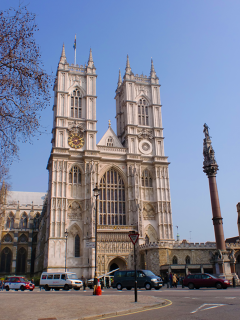
Westminster Abbey
Wikipedia
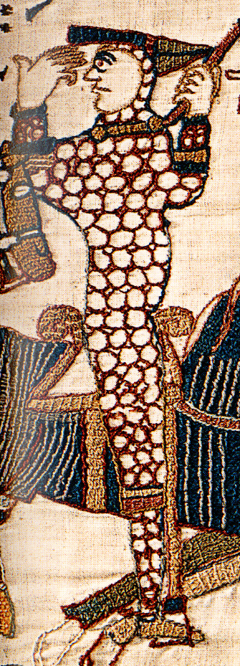
William the Conqueror
Wikipedia
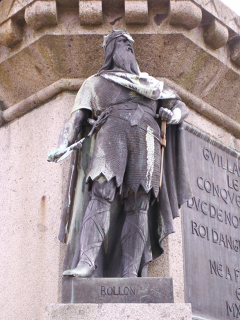
Duke of Normandy
Wikipedia

William the Conqueror
Wikipedia

Duke of Normandy
Wikipedia
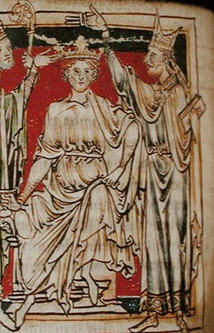
Coronations of William the Conqueror and Matilda
Wikipedia

Westminster Abbey
Wikipedia

London
Wikipedia

England
Wikipedia

Matilda of Flanders
Wikipedia

List of English monarchs
Wikipedia

Normandie (région administrative)
Wikipedia

Norman Conquest
Wikipedia

Geschichte Englands
Wikipedia
What Else Happened on December 25
A escolha de 25 de dezembro é uma convenção, o dia exato do nascimento de Jesus é desconhecido. Esta data, não corresponde à cronologia histórica porque este te…
Wu Han's forces crush the separatist Chengjia empire, ending its rebellion and restoring imperial unity under Emperor Guangwu. This decisive victory solidifies …
Emperor Aurelian dedicated a grand temple to Sol Invictus in Rome, formalizing the sun god as the supreme deity of the Roman Empire. By elevating this solar cul…
Aurelian built his temple to the Unconquered Sun on December 25th for a reason. Rome had fractured into three empires, barbarians pushed at every border, and si…
Constantine had three sons. He'd already made two of them Caesars — power-sharing emperors-in-waiting. Now his youngest, Constans, just seven years old, got the…
The Chronography of 354 records the first known Roman celebration of Jesus’s birth on December 25. This date eventually standardized the liturgical calendar acr…
Talk to History
Have a conversation with historical figures who witnessed this era. Ask questions, explore perspectives, and bring history to life.