

Beethoven Premieres the Fifth Symphony: Da-Da-Da-DUM
Beethoven conducted and performed his own works at the Theater an der Wien, premiering both the Fifth and Sixth Symphonies alongside the Fourth Piano Concerto and Choral Fantasy. This marathon concert established a new benchmark for public performance length and cemented his reputation as a composer who demanded total artistic control over his music's presentation.
December 22, 1808
218 years ago
Key Figures & Places
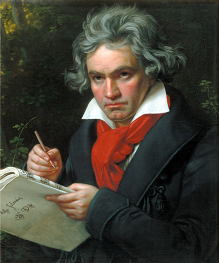
Ludwig van Beethoven
Wikipedia

Piano Concerto No. 4 (Beethoven)
Wikipedia
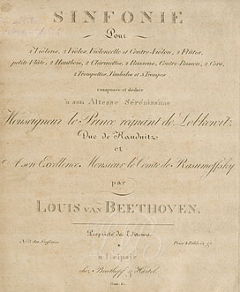
Symphony No. 5 (Beethoven)
Wikipedia
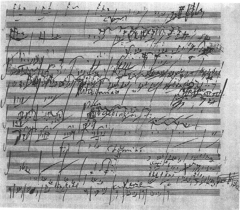
Symphony No. 6 (Beethoven)
Wikipedia
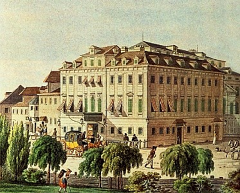
Theater an der Wien
Wikipedia

Ludwig van Beethoven
Wikipedia

Beethoven concert of 22 December 1808
Wikipedia

Symphony No. 5 (Beethoven)
Wikipedia

Symphony No. 6 (Beethoven)
Wikipedia

Piano Concerto No. 4 (Beethoven)
Wikipedia
Choral Fantasy (Beethoven)
Wikipedia

Vienna
Wikipedia

Theater an der Wien
Wikipedia
Uraufführung
Wikipedia
What Else Happened on December 22
Roman soldiers dragged Emperor Vitellius through the streets of Rome before executing him at the Gemonian stairs, ending his chaotic eight-month reign. His viol…
Vespasian's proclamation as emperor ended the chaotic Year of the Four Emperors, while the brutal execution of Vitellius on the Gemonian stairs signaled a decis…
Innocent I walked into the papal chair his father had just left. Anastasius I died in 401. His son took over the same year. No election drama. No debate. The Ro…
en Damgán (provincia de Semnán), en esa época capital del Imperio persa (actual Irán), un terremoto deja un saldo de 200 000 muertos.
The ground beneath the Persian city of Damghan violently fractured, leveling the regional capital and claiming an estimated 200,000 lives. This catastrophe rema…
Huang Chao's rebel army walked into Luoyang without a fight. The eastern capital — home to half a million people, palaces that had stood for centuries — simply …
Talk to History
Have a conversation with historical figures who witnessed this era. Ask questions, explore perspectives, and bring history to life.