

Roosevelt Wins Nobel Peace Prize: First American Honored
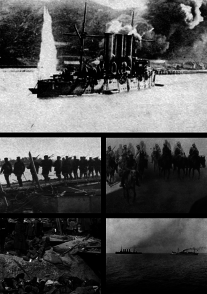
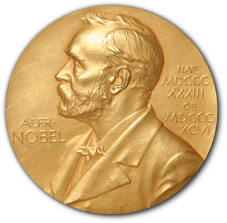
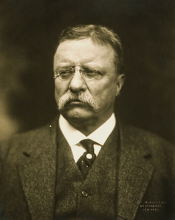
Theodore Roosevelt became the first American to win the Nobel Peace Prize, awarded on December 10, 1906, for brokering the treaty that ended the Russo-Japanese War. The honor was deeply ironic for a president who had charged up San Juan Hill, expanded the Navy, and once declared that he wanted "no peace that comes at the price of dishonor." Roosevelt's mediation at Portsmouth, New Hampshire, in August 1905 stopped a war that threatened to destabilize East Asia and demonstrated that American diplomacy could match American military ambition. The Russo-Japanese War had begun in February 1904 when Japan launched a surprise attack on the Russian fleet at Port Arthur, Manchuria. Japan won a string of stunning victories on land and sea, including the decisive naval Battle of Tsushima in May 1905, where Admiral Togo destroyed the Russian Baltic Fleet. But Japan was financially exhausted, and Russia, though militarily humiliated, had vast reserves of manpower. Both sides needed a way out that preserved their dignity. Roosevelt offered to mediate, inviting delegations to the Portsmouth Naval Shipyard in Maine. The negotiations were tense. Japan demanded a war indemnity and control of Sakhalin Island. Russia refused to pay reparations and resisted territorial concessions. Roosevelt shuttled between the delegations, applying pressure, charm, and blunt warnings about the consequences of continued fighting. The Treaty of Portsmouth, signed on September 5, 1905, gave Japan control of Korea, the Liaodong Peninsula, and the southern half of Sakhalin, but no indemnity. The peace deal angered the Japanese public, who felt they had won the war but lost the peace. Anti-American riots erupted in Tokyo. Russia seethed at the territorial losses. Roosevelt's own view was characteristically blunt: both sides were "entirely selfish" and he had stopped the bleeding despite their stubbornness. The Nobel committee awarded him the prize for demonstrating that great power conflicts could be resolved through negotiation rather than attrition.
December 10, 1906
120 years ago
Key Figures & Places
What Else Happened on December 10
Michael V was the son of Empress Zoe's sister — not her actual child. She adopted him anyway, desperate for an heir after decades of palace intrigue and three h…
King Birger of Sweden lures his brothers, Dukes Valdemar and Erik, into a trap at Nyköping Castle before imprisoning them. The brothers slowly starve to death i…
Four powers, one target: Venice. The richest city in Europe had swallowed too much mainland territory, threatening papal lands and blocking trade routes that ma…
Albuquerque brought 23 ships and 1,500 men against a city of 100,000. The secret weapon wasn't cannons — it was Timoji, a Hindu privateer who knew every creek a…
Martin Luther publicly incinerated the papal bull Exsurge Domine outside Wittenberg’s Elster Gate, finalizing his break from the Roman Catholic Church. This def…
Two men walked to the scaffold, but their crimes weren't equal. Francis Dereham had been Catherine Howard's lover before she ever met Henry VIII — technically l…
Talk to History
Have a conversation with historical figures who witnessed this era. Ask questions, explore perspectives, and bring history to life.