

British Lose the Battle of Great Bridge: Virginia Is Free
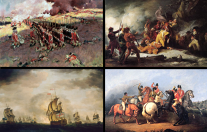
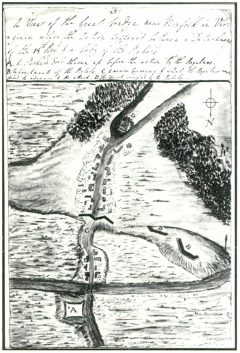
Patriot militia routed British regulars and Loyalist troops at Great Bridge near Norfolk, forcing the last royal governor to flee Virginia aboard a warship. The lopsided victory secured the largest and most populous colony for the radical cause without a single American death in combat.
December 9, 1775
251 years ago
Key Figures & Places
What Else Happened on December 9
Odoacer didn't just take Dalmatia — he bought it. The man who'd deposed Rome's last emperor five years earlier paid 2,000 pounds of gold to quiet rivals, then t…
Odoacre, premier roi d’Italie, occupe la Dalmatie. Il y établit plus tard son pouvoir politique, avec la coopération du Sénat romain.
The gates stood open. No battle, no siege — just an empty city. Belisarius rode into Rome on December 9th with his Byzantine army, and the Ostrogothic garrison …

The gates opened at dawn. Not a sword drawn, not a drop of blood. Belisarius walked into Rome with 5,000 men while the Ostrogothic garrison — outnumbered, under…
bataille du chameau, entre le clan des Quraychites, à La Mecque, et les fidèles d'Ali ibn Abi Talib.
Al-Jarrah ibn Abdallah had crushed rebellions across three continents. Then he rode into the Caucasus foothills with 25,000 men and met the Khazars waiting in t…
Talk to History
Have a conversation with historical figures who witnessed this era. Ask questions, explore perspectives, and bring history to life.