Olympus Awakens: Athens Revives Ancient Games
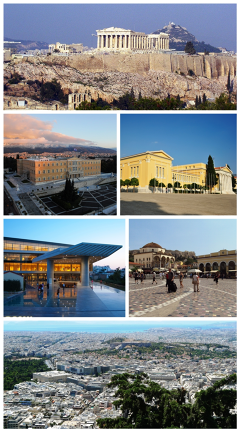
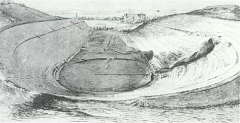
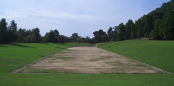
Evangelical Zappas, a wealthy Greek-Romanian businessman consumed by patriotic idealism, funded the first modern attempt to revive the Olympic Games in Athens. The 1859 Zappas Olympics were held in a public square rather than a proper stadium, attracted athletes of wildly uneven ability, and were plagued by organizational chaos, yet they planted the seed from which the international Olympic movement would eventually grow. The idea of reviving the ancient games had percolated through Greek intellectual circles for decades. Greece had won its independence from the Ottoman Empire in 1832, and the new nation was searching for connections to its ancient past. Panagiotis Soutsos, a Greek poet, had proposed an Olympic revival as early as 1833. Zappas, who had made his fortune in Romanian agriculture, offered to fund the entire venture and lobbied King Otto of Greece to make it happen. The 1859 games were open only to Greek and Ottoman subjects, making them a regional affair rather than an international competition. Events included running, jumping, discus, javelin, and climbing a greased pole. Most competitors were farmers, tradesmen, and laborers rather than trained athletes. The crowd was enthusiastic but unruly, spilling onto the competition area and disrupting events. Greek newspapers offered mixed reviews, praising the national spirit while criticizing the disorganization. Zappas funded subsequent revivals in 1870 and 1875, each better organized than the last. He also funded the restoration of the ancient Panathenaic Stadium in Athens, which was completed using his bequest after his death in 1865. That same stadium hosted the first modern international Olympics organized by Pierre de Coubertin's International Olympic Committee in 1896.
November 15, 1859
167 years ago
Key Figures & Places
What Else Happened on November 15
Justin II ascended the Byzantine throne immediately following the death of his uncle, Justinian I. He inherited a treasury drained by excessive building project…
Oswiu of Northumbria crushed the Mercian army at the Battle of the Winwaed, killing King Penda as his forces retreated through flooded marshes. This decisive vi…
Swiss confederates ambushed Leopold I’s Austrian cavalry in a narrow pass at Morgarten, using boulders and halberds to shatter the heavy knights. This victory s…
Swiss infantry ambushed and destroyed Duke Leopold I of Austria's heavily armored cavalry at the Battle of Morgarten on November 15, 1315, using the mountainous…
Thomas Wolsey received his cardinal's hat from Pope Leo X, completing his rise from a butcher's son to the most powerful man in England after the king. As Lord …
Atahualpa didn't come alone. He arrived with thousands — some accounts say 80,000 troops camped nearby — yet he walked into Cajamarca's plaza the next day anywa…
Talk to History
Have a conversation with historical figures who witnessed this era. Ask questions, explore perspectives, and bring history to life.