Armistice Signed: World War I Finally Ends
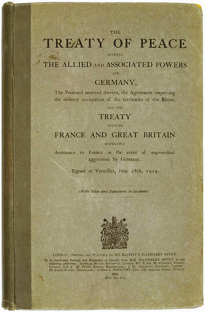
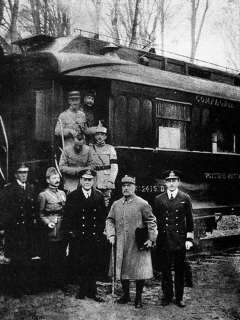
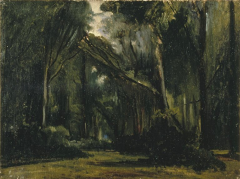
At the eleventh hour of the eleventh day of the eleventh month, the guns fell silent across the Western Front. Four years of industrial slaughter that had consumed nearly 20 million lives ended not with a dramatic surrender but with signatures on paper inside a converted railway dining car in the Forest of Compiegne. German delegates, representing a government that had existed for barely 48 hours after the Kaiser fled to the Netherlands, accepted terms dictated almost entirely by French Marshal Ferdinand Foch. The armistice reflected the complete collapse of Germany's war machine. By autumn 1918, the Hundred Days Offensive had shattered the Hindenburg Line, and Germany's allies were falling one by one. Bulgaria signed an armistice in September, the Ottoman Empire in October, Austria-Hungary in early November. With revolution spreading through German cities and sailors mutinying at Kiel, the new civilian government had no leverage to negotiate. Foch's terms were deliberately crushing. Germany had to withdraw all forces behind the Rhine within two weeks, surrender 5,000 artillery pieces, 25,000 machine guns, and its entire submarine fleet. The naval blockade that had starved the German home front would continue until a final peace treaty was signed. These conditions guaranteed Germany could not resume hostilities even if it wanted to. The fighting continued right up until 11:00 a.m., costing an estimated 11,000 casualties on the final morning alone. Some commanders, knowing the war was hours from ending, ordered attacks anyway. The last soldier killed was American Private Henry Gunther, shot at 10:59 a.m. while charging a German position. The armistice bought six months of uneasy peace before the Treaty of Versailles imposed terms so punishing that they planted the seeds for an even deadlier war two decades later.
November 11, 1918
108 years ago
Key Figures & Places

What Else Happened on November 11
Four Roman emperors walked into a conference and none of them left happy. At Carnuntum — a military camp on the Danube — Diocletian himself came out of retireme…
Constantine VIII's death after sixty-six years on the throne triggered a chaotic succession crisis that plunged the Byzantine Empire into instability. His daugh…
She changed her name to get married. Born Edith, she took the name Matilda the day Henry I slipped a crown on her head, likely to sound less foreign to Norman e…
She wasn't just a Scottish princess — she was a political masterstroke in a veil. Henry I needed legitimacy after seizing the English throne while his brother R…
Pope Innocent III didn't just host a meeting — he orchestrated the largest church council in medieval history, pulling 1,200 bishops and abbots to Rome. And out…
Louis XII of France and Ferdinand II of Aragon signed the Treaty of Granada on November 11, 1500, agreeing to divide the Kingdom of Naples between themselves an…
Talk to History
Have a conversation with historical figures who witnessed this era. Ask questions, explore perspectives, and bring history to life.