

Jack the Ripper's Last Victim: Mary Jane Kelly Murdered in Whitechapel
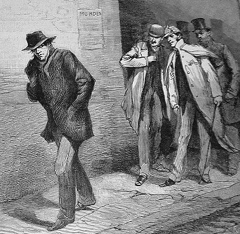
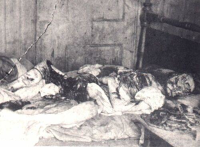
Mary Jane Kelly was found brutally murdered in her Whitechapel lodging, the fifth and most savagely mutilated victim attributed to Jack the Ripper. Her death ended the Ripper's known killing spree and spawned the world's most enduring unsolved murder mystery, one that has generated over a century of investigation and speculation.
November 9, 1888
138 years ago
Key Figures & Places
What Else Happened on November 9
The United States conducted its first nationwide test of the Emergency Alert System at 2:00 p.m. EST, sending a simultaneous alert to every TV and radio station…
Der am 28. September als Papst zurückgetretene Pontianus wird in einem Steinbruch auf Sardinien erschlagen.

A king invented a conspiracy to solve a problem he couldn't prove existed. Egica, ruling Visigothic Hispania, accused the entire Jewish population of secretly a…
Minamoto no Yoritomo's 30,000 men launched a surprise night assault near the Fuji River, routing Taira no Koremori's forces and securing a decisive victory. Alt…
King Edward I forces Llywelyn ap Gruffudd to sign the Treaty of Aberconwy, stripping the Welsh prince of his title and vast territories while demanding total su…
Pope Martin IV excommunicated King Peter III of Aragon for seizing Sicily during the Sicilian Vespers uprising against French rule. The Pope then declared a cru…
Talk to History
Have a conversation with historical figures who witnessed this era. Ask questions, explore perspectives, and bring history to life.