Godzilla Rises: A Monster Born from Post-War Fear
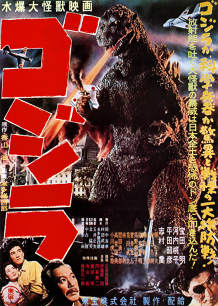
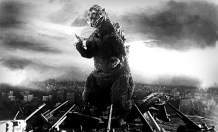
Japanese audiences filed into theaters on November 3, 1954, to watch a 164-foot reptilian monster rise from the ocean and destroy Tokyo. Godzilla, directed by Ishiro Honda and produced by Toho Studios, was marketed as entertainment, but the film was something far more disturbing: a barely disguised processing of nuclear trauma that arrived just ten years after Hiroshima and Nagasaki, and months after the Lucky Dragon No. 5 incident exposed Japanese fishermen to fallout from an American hydrogen bomb test. The Lucky Dragon crisis was the direct catalyst. In March 1954, the crew of a Japanese tuna boat suffered acute radiation sickness after sailing too close to the Castle Bravo test, which produced a yield more than double what scientists predicted. One crew member died. Contaminated tuna reached Japanese markets, triggering nationwide panic. Producer Tomoyuki Tanaka conceived Godzilla during a flight home from Indonesia, imagining a monster awakened and empowered by nuclear testing. Honda and special effects master Eiji Tsuburaya created the monster through miniature sets and a performer in a rubber suit, techniques that became the foundation of the tokusatsu genre. The destruction sequences, modeled on wartime newsreel footage of firebombed cities, carried an emotional weight that distinguished Godzilla from American monster movies. A scene showing a mother cradling her children during the attack, telling them they would soon join their father, explicitly evoked wartime death. The film attracted 9.6 million viewers in Japan. An American version, re-edited with Raymond Burr scenes and stripped of anti-nuclear commentary, was released as Godzilla, King of the Monsters in 1956. The franchise has produced over 30 films across seven decades, but none matched the original's raw confrontation with the atomic age that created it.
November 3, 1954
72 years ago
Key Figures & Places
What Else Happened on November 3
Constantius II spent years hunting Julian — exiling family members, executing rivals, building an empire where only he could rule. Then a fever won. Dying at Mo…
A Persian captive named Piruz Nahavandi assassinated the second caliph, Umar ibn al-Khattab, while he led morning prayers in Medina. This sudden death triggered…
English King William Rufus attempted to seize Rouen from his brother Robert, Duke of Normandy, on November 3, 1090, but the assault devolved into a riot that th…
Giovanni Villani watched his city drown. The Arno surged so violently in 1333 that Florence lost bridges, buildings, and hundreds of lives in a single catastrop…
Charles the Bold’s Burgundian forces razed Liège to the ground, systematically dismantling the city’s fortifications and burning its architectural treasures. Th…
Henry VII and Charles VIII signed the Peace of Etaples, ending English military intervention in Brittany. By securing a substantial annual pension from the Fren…
Talk to History
Have a conversation with historical figures who witnessed this era. Ask questions, explore perspectives, and bring history to life.