

UK Recognizes Communist China: The Cold War Reshuffles
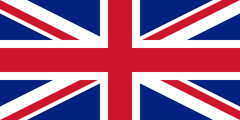
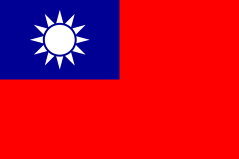
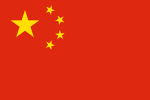
Britain recognized the People's Republic of China on January 6, 1950 — six weeks after the Communist takeover. It was the first major Western nation to do so. The calculation was strategic: Britain had Hong Kong, trade interests across Asia, and no army capable of reversing what had just happened in China. Better to have an embassy than a cold shoulder. Chiang Kai-shek's Republic of China government, now confined to Taiwan, severed diplomatic relations with London immediately. The United States waited 29 more years. Nixon's 1972 visit opened the door; Carter normalized relations in 1979. Britain's early recognition bought influence but not warmth. When China wanted leverage over Hong Kong in the following decades, it used everything except the relationship built in January 1950.
January 6, 1950
76 years ago
Key Figures & Places
What Else Happened on January 6
Mit einer Ansprache an die Prätorianer eröffnet Kaiser Mark Aurel den römischen Feldzug im Ersten Markomannenkrieg.
au palais de Ponthion, entrevue entre le roi franc Pépin le Bref et le pape Étienne II.
Pope Stephen II crossed the Alps in winter — the first pope to do so — to meet Pepin III at Saint-Denis on January 6, 754. He re-anointed Pepin as King of the F…
Eine polnische Delegation kündigt in Allstedt dem ostfränkisch-deutschen König Heinrich II. das Kommen des polnischen Kronprinzen Mieszko II. Lambert an, der ei…
Knud Ier le Grand est proclamé roi d'Angleterre.
Edward the Confessor died on January 5, 1066. The Witan met the next day and chose Harold Godwinson as king. Harold was crowned in Westminster Abbey on January …
Talk to History
Have a conversation with historical figures who witnessed this era. Ask questions, explore perspectives, and bring history to life.