

FDR Delivers Four Freedoms Speech: Democracy Defined
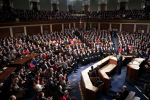
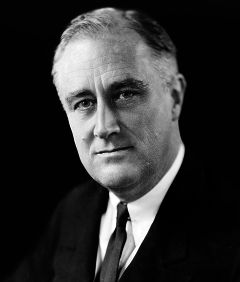
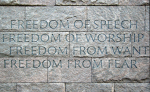
Franklin Roosevelt stood before Congress on January 6, 1941, eleven months before Pearl Harbor, and defined what America would fight for in a war it had not yet entered. His State of the Union address named four freedoms that every person on earth deserved: freedom of speech, freedom of worship, freedom from want, and freedom from fear. The speech was not abstract idealism. It was a carefully constructed argument for sending American weapons to Britain and the Soviet Union. The immediate context was dire. Britain was being bombed nightly during the Blitz. France had fallen. The Soviet Union was still bound by its non-aggression pact with Hitler, though that would shatter in June. Roosevelt needed congressional approval for the Lend-Lease Act, which would allow the United States to supply Allied nations with war material without technically selling it, sidestepping neutrality laws. Isolationists in Congress, led by the America First Committee and its most prominent spokesman Charles Lindbergh, argued that European wars were not America''s problem. Roosevelt reframed the debate entirely. By articulating four universal freedoms, he transformed Lend-Lease from a transaction into a moral imperative. The speech argued that American security depended on the survival of democracy worldwide, a principle that would later be called collective security. The two "freedom from" principles, want and fear, went beyond traditional civil liberties into economic and physical security, foreshadowing the welfare state and international peacekeeping. Norman Rockwell translated the four freedoms into paintings that became the most reproduced images of the war era, used on posters and war bond drives that raised $133 million. Eleanor Roosevelt later used her husband''s framework as the philosophical foundation for the Universal Declaration of Human Rights, adopted by the United Nations in 1948. Roosevelt''s speech endured because it gave the Allied cause a vocabulary that transcended military strategy. The war would be fought not just to defeat fascism but to build something specific in its place.
January 6, 1941
85 years ago
Key Figures & Places


What Else Happened on January 6
Pope Stephen II crossed the Alps in winter — the first pope to do so — to meet Pepin III at Saint-Denis on January 6, 754. He re-anointed Pepin as King of the F…
Pan American Airlines flew the first scheduled round-the-world commercial flight on January 6, 1947. The route took passengers from New York westward: San Franc…
Edward the Confessor died on January 5, 1066. The Witan met the next day and chose Harold Godwinson as king. Harold was crowned in Westminster Abbey on January …
Alfonso the Battler seized Zaragoza from the Almoravid dynasty, securing the most important Muslim stronghold in the Ebro Valley. This victory shifted the regio…
A crown nobody really wanted. Philip seized power in a German kingdom fractured by rival claims, with his own brother already Holy Roman Emperor. But ambition b…
The German princes loved drama more than most medieval power brokers. Philip of Swabia was already crowned once, but this second coronation felt like a middle f…
Talk to History
Have a conversation with historical figures who witnessed this era. Ask questions, explore perspectives, and bring history to life.