I Love Lucy Premieres: Sitcom Revolution Starts
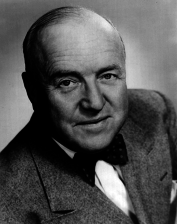
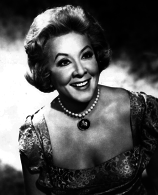
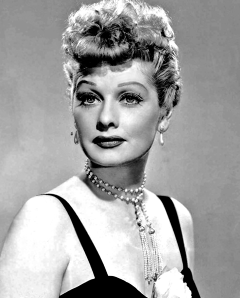
Lucille Ball didn't just star in the most popular show on television — she reinvented how television was made. When I Love Lucy premiered on CBS on October 15, 1951, Ball and her husband Desi Arnaz introduced technical innovations and business practices that shaped the entire industry for decades. At its peak, the show drew 67.3 million viewers for a single episode, and its influence on sitcom format, production methods, and syndication remains unmatched. CBS initially resisted casting Arnaz, a Cuban bandleader, as Ball's TV husband, doubting that American audiences would accept an interracial couple. Ball and Arnaz proved the network wrong by touring the country with a live comedy act that drew enthusiastic audiences. They formed Desilu Productions to produce the show themselves, a decision that made them the first female-led production company in Hollywood and gave them control over their own content. The couple's production company pioneered the three-camera filming technique before a live studio audience, a format that remains standard for sitcoms today. Previously, most shows were broadcast live and preserved only as low-quality kinescope recordings. Arnaz insisted on shooting on 35mm film, which was more expensive but produced a reusable, high-quality master. This decision inadvertently created the rerun — when Ball's real-life pregnancy required the show to air repeats, the filmed episodes looked so good that audiences didn't mind, and the concept of television syndication was born. The show ran for six seasons and 180 episodes, never finishing below third in the ratings. Ball's physical comedy — the chocolate factory assembly line, the Vitameatavegamin commercial, the grape-stomping fight — became some of the most iconic moments in television history. The show's January 1953 episode depicting the birth of Little Ricky drew more viewers than Dwight Eisenhower's inauguration the following day. Desilu Productions went on to produce Star Trek and Mission: Impossible, and Ball became the most powerful woman in Hollywood.
October 15, 1951
75 years ago
Key Figures & Places
What Else Happened on October 15
Belisarius entered Carthage on foot, leading his army through the gates the Vandals had abandoned. He'd recaptured North Africa for Byzantium in a single campai…
The Witan proclaimed Edgar the Ætheling king of England after Harold II's death at Hastings, but the 14-year-old boy was never crowned. Edgar lacked the militar…
Edgar the Ætheling was proclaimed King of England after Harold died at Hastings. He was fifteen, the last male member of the royal house. He was never crowned. …
Henry of Flanders led 260 Latin knights against Theodore Lascaris and 2,000 Byzantine cavalry at the Rhyndacus River. The Latins had conquered Constantinople ei…
Suleiman the Magnificent besieged Vienna for three weeks in 1529 with 120,000 troops, expecting the city to surrender. It didn't. His siege guns were stuck in m…
Ottoman forces abandoned the Siege of Vienna after failing to breach the city walls, signaling the end of their rapid expansion into Central Europe. This retrea…
Talk to History
Have a conversation with historical figures who witnessed this era. Ask questions, explore perspectives, and bring history to life.