

Reichstag Burns: Germany's Parliament Set Ablaze
The German parliament building was still burning when the Nazis began arresting their political opponents. The Reichstag fire on the night of February 27, 1933 — less than a month after Adolf Hitler became chancellor — provided the pretext for dismantling what remained of German democracy. Within twenty-four hours, civil liberties were suspended. Within weeks, the first concentration camps opened. The speed of the transformation suggests the Nazis were waiting for exactly this kind of crisis, whether or not they manufactured it. Police arrested Marinus van der Lubbe, a twenty-four-year-old Dutch communist, inside the burning building, shirtless and sweating. Van der Lubbe confessed immediately and insisted he had acted alone, using firelighters and his own clothing as kindling. The fire, which gutted the plenary chamber while leaving the building's stone shell intact, spread with a speed that some investigators found suspicious. Hermann Goring, president of the Reichstag and head of the Prussian police, declared before any investigation that the fire was a communist conspiracy, a signal for an armed uprising. Hitler convinced President Hindenburg to sign the Reichstag Fire Decree on February 28, suspending the constitutional protections of free speech, free press, freedom of assembly, and privacy of communications. The decree authorized indefinite detention without trial. Police rounded up four thousand Communist Party members and other political opponents within days. The Communist Party was effectively banned, and its Reichstag deputies were arrested or driven underground, removing the largest opposition bloc from parliament. Whether the Nazis set the fire themselves remains one of history's enduring mysteries. Van der Lubbe was tried alongside four communist defendants, all of whom were acquitted except him. He was executed by guillotine in January 1934. Modern historians lean toward the conclusion that van der Lubbe did act alone but that the Nazis exploited the fire with a readiness that borders on foreknowledge. The Reichstag Fire Decree was never repealed during the Nazi era and served as the legal foundation for twelve years of totalitarian rule, proving that democratic institutions can be dismantled with terrifying efficiency when a government is willing to weaponize a crisis.
February 27, 1933
93 years ago
Key Figures & Places
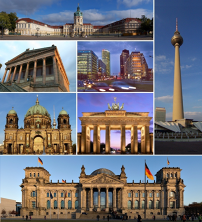
Berlin
Wikipedia

Germany
Wikipedia
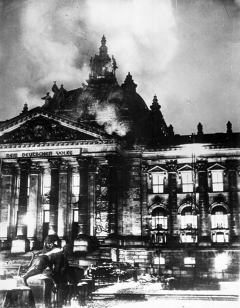
Reichstag fire
Wikipedia

Weimar Republic
Wikipedia
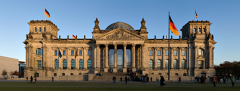
Reichstag (building)
Wikipedia

Reichstag fire
Wikipedia

Weimar Republic
Wikipedia

Reichstag building
Wikipedia
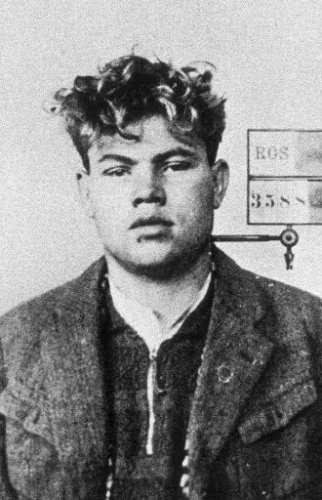
Marinus van der Lubbe
Wikipedia

Robert Wiene
Wikipedia

Expressionism
Wikipedia

Berlin
Wikipedia
Communism
Wikipedia

Bürgerbräukeller
Wikipedia

Nazi Party
Wikipedia

Adolf Hitler
Wikipedia

Expressionismus (Film)
Wikipedia

Das Cabinet des Dr. Caligari
Wikipedia
Hans Janowitz
Wikipedia

Carl Mayer
Wikipedia

Werner Krauß (Schauspieler)
Wikipedia
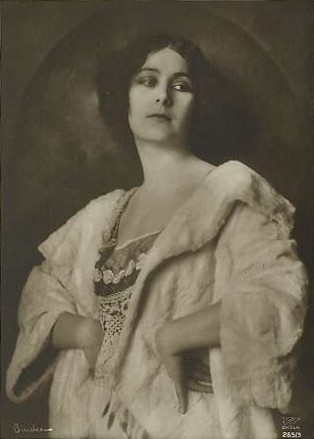
Lil Dagover
Wikipedia

Cine mudo
Wikipedia
History of film
Wikipedia

Nazism
Wikipedia
What Else Happened on February 27
Emperor Theodosius I made Christianity the only legal religion of the Roman Empire on February 27, 380. Not just legal — mandatory. The Edict of Thessalonica de…
Theodosius II built the University of Constantinople in 425 because his wife told him to. Aelia Eudocia, a poet and intellectual who had been born Athenais and …
Abaoji unified the disparate Khitan tribes and assumed the title of khagan, consolidating power over the vast steppes of Inner Mongolia. This centralization tra…
A nomadic warlord who couldn't read Chinese became emperor of a dynasty that would last two centuries. Abaoji unified the Khitan tribes through a mix of marriag…
England sent troops into Scotland in 1560 because Scottish nobles asked them to. The Lords of the Congregation wanted French soldiers out. They'd been there sin…
England and Scotland's Protestant lords signed the Treaty of Berwick on February 27, 1560, creating a military alliance that would expel French troops from Scot…
Talk to History
Have a conversation with historical figures who witnessed this era. Ask questions, explore perspectives, and bring history to life.