Women Vote Secured: Supreme Court Upholds 19th Amendment
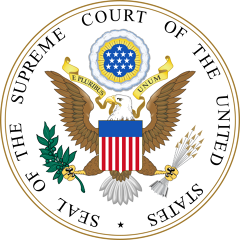
The Nineteenth Amendment had been ratified for eighteen months, but opponents refused to accept that women could vote. Maryland legislators challenged the amendment's validity all the way to the Supreme Court, arguing that it exceeded Congress's constitutional authority and that Maryland's refusal to ratify should exempt the state from compliance. On February 27, 1922, the Court unanimously dismissed every argument in Leser v. Garnett, cementing women's suffrage as permanent constitutional law. The case was brought by Oscar Leser, a Maryland citizen who challenged the registration of two women voters in Baltimore. His lawyers deployed three lines of attack: that the amendment was so sweeping it effectively destroyed state sovereignty and therefore required ratification by state conventions rather than legislatures; that several ratifying states had violated their own procedures; and that Tennessee and West Virginia's ratifications were invalid because their legislatures had previously rejected the amendment. Each argument was a desperate attempt to find a procedural loophole that would unravel the amendment. Justice Louis Brandeis wrote the opinion for a unanimous Court, dispatching each claim with crisp efficiency. The Fifteenth Amendment, which granted voting rights regardless of race, had been ratified through the same process and had long been accepted as valid — the Nineteenth Amendment was no different. State procedural irregularities were matters for the states to resolve, not grounds for federal courts to overturn a constitutional amendment. The official notification of ratification by the Secretary of State was conclusive. The ruling closed the last legal door through which opponents could challenge women's right to vote. The broader struggle, however, was far from over. Southern states used poll taxes, literacy tests, and other mechanisms to disenfranchise Black women for decades after the amendment's ratification. Full enforcement of the Nineteenth Amendment's promise would require the Voting Rights Act of 1965, forty-three years after the Supreme Court declared the law of the land settled in a case that history has largely forgotten.
February 27, 1922
104 years ago
Key Figures & Places
What Else Happened on February 27
Emperor Theodosius I made Christianity the only legal religion of the Roman Empire on February 27, 380. Not just legal — mandatory. The Edict of Thessalonica de…
Theodosius II built the University of Constantinople in 425 because his wife told him to. Aelia Eudocia, a poet and intellectual who had been born Athenais and …
Abaoji unified the disparate Khitan tribes and assumed the title of khagan, consolidating power over the vast steppes of Inner Mongolia. This centralization tra…
A nomadic warlord who couldn't read Chinese became emperor of a dynasty that would last two centuries. Abaoji unified the Khitan tribes through a mix of marriag…
England sent troops into Scotland in 1560 because Scottish nobles asked them to. The Lords of the Congregation wanted French soldiers out. They'd been there sin…
England and Scotland's Protestant lords signed the Treaty of Berwick on February 27, 1560, creating a military alliance that would expel French troops from Scot…
Talk to History
Have a conversation with historical figures who witnessed this era. Ask questions, explore perspectives, and bring history to life.